Table of Contents
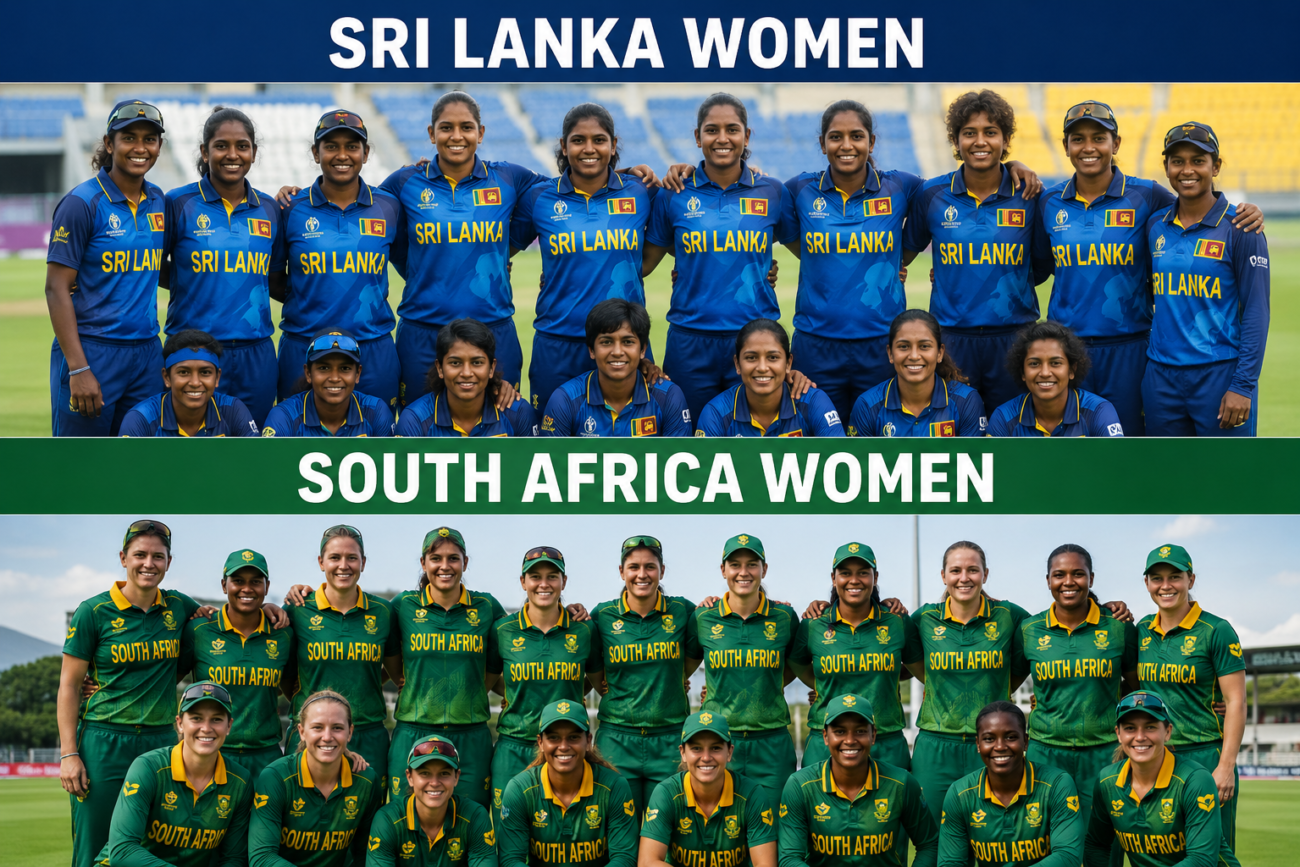
The rivalry between Sri Lanka Women and South Africa Women has developed into an intriguing contest in international cricket. Over the years, both teams have produced memorable performances, thrilling finishes, and standout individual displays that have shaped their competitive history. While South Africa often entered matches as favorites due to their strong international record, Sri Lanka consistently demonstrated resilience and the ability to challenge higher-ranked opponents. From early encounters to modern-day clashes, every meeting has contributed to the evolution of women’s cricket in both nations. This journey highlights key matches, influential players, tactical battles, and significant moments that continue to define this growing international rivalry.
Recent Matches Table
| Date | Venue | Format | Winner | Margin | First Innings | Second Innings |
|---|---|---|---|---|---|---|
| 17 Oct 2025 | Colombo | ODI | South Africa | 10 wickets | Sri Lanka 105/7 | South Africa 106/0 |
| 9 May 2025 | Sri Lanka | ODI | South Africa | 76 runs | South Africa 316/5 | Sri Lanka 240/10 |
| 2 May 2025 | Sri Lanka | ODI | Sri Lanka | 5 wickets | South Africa 226/8 | Sri Lanka 227/5 |
| 17 Apr 2024 | Potchefstroom | ODI | Sri Lanka | 6 wickets | South Africa 301/5 | Sri Lanka 305/4 |
| 13 Apr 2024 | Kimberley | ODI | South Africa | 7 wickets | Sri Lanka 229/10 | South Africa 233/3 |
| 9 Apr 2024 | East London | ODI | No Result | Abandoned | South Africa 270/6 | Sri Lanka 23/0 |
| 3 Apr 2024 | East London | T20I | Sri Lanka | 4 wickets | South Africa 155/6 | Sri Lanka 156/6 |
Team Statistics Summary Table
| Metric [1, 2, 3] | Sri Lanka Women | South Africa Women | Matches Count | Highest Score | Lowest Score | Head-to-Head Wins |
|---|---|---|---|---|---|---|
| Total ODIs | 6 wins | 17 wins | 26 matches | Sri Lanka 305 | Sri Lanka 46 | South Africa leads |
| Total T20Is | 6 wins | 11 wins | 18 matches | Sri Lanka 156 | Sri Lanka 49 | South Africa leads |
| Home Record | 4 wins | 12 wins | 16 matches | South Africa 316 | Sri Lanka 75 | South Africa leads |
| Away Record | 4 wins | 11 wins | 17 matches | Sri Lanka 305 | Sri Lanka 46 | South Africa leads |
| Neutral Record | 4 wins | 5 wins | 11 matches | South Africa 230 | Sri Lanka 57 | South Africa leads |
| World Cup ODIs | 2 wins | 4 wins | 6 matches | South Africa 270 | Sri Lanka 75 | South Africa leads |
| Overall Form | Improving | Dominant | 44 matches | Mixed Results | Historical Lows | South Africa leads |
Individual Batting Records Table
| Player Name | Team Name | Total Runs | High Score | Batting Average | Strike Rate | Hundreds Count |
|---|---|---|---|---|---|---|
| Chamari Athapaththu | Sri Lanka | 662 | 195 | 44.13 | 88.54 | 2 |
| Laura Wolvaardt | South Africa | 585 | 184 | 53.18 | 79.42 | 2 |
| Marizanne Kapp | South Africa | 319 | 80 | 35.44 | 85.12 | 0 |
| Sune Luus | South Africa | 295 | 62 | 29.50 | 72.33 | 0 |
| Harshitha Samarawickrama | Sri Lanka | 288 | 77 | 26.18 | 68.41 | 0 |
| Tazmin Brits | South Africa | 240 | 60 | 34.28 | 74.15 | 0 |
| Vishmi Gunaratne | Sri Lanka | 212 | 45 | 21.20 | 65.80 | 0 |
Individual Bowling Records Table
| Bowler Name | Team Name | Total Wickets | Best Figures | Bowling Economy | Matches Played | Bowling Average |
|---|---|---|---|---|---|---|
| Ayabonga Khaka | South Africa | 24 | 4 for 23 | 4.12 | 16 | 18.45 |
| Marizanne Kapp | South Africa | 21 | 3 for 18 | 3.85 | 18 | 19.12 |
| Inoka Ranaweera | Sri Lanka | 18 | 3 for 25 | 4.45 | 15 | 23.61 |
| Nonkululeko Mlaba | South Africa | 16 | 3 for 12 | 4.18 | 12 | 20.33 |
| Oshadi Ranasinghe | Sri Lanka | 15 | 3 for 40 | 4.88 | 14 | 25.40 |
| Nadine de Klerk | South Africa | 14 | 3 for 32 | 4.52 | 11 | 22.18 |
| Kavisha Dilhari | Sri Lanka | 12 | 2 for 42 | 5.10 | 13 | 29.25 |
The First Crossing of Paths
The early meetings between these two national sides reflected the growing ambitions of women’s cricket in both countries. South Africa entered many of the initial contests with greater international exposure and a more established structure, while Sri Lanka relied heavily on discipline, patience, and collective effort. Their first encounters were not just about winning matches but also about testing strategies against unfamiliar opponents. Batters had to adapt to different bowling styles, and captains often experimented with field settings to gain an advantage. These matches laid the foundation for a competitive sporting relationship that would continue to evolve over the years. Every contest provided valuable experience, helping both teams understand each other’s strengths and weaknesses while building respect through competitive cricket.
| Early Meetings | Competitive Spirit | Team Growth | Match Learning |
| First Encounters | Strong Intent | Skill Development | Tactical Awareness |
| New Opponents | Balanced Cricket | Experience Gain | Team Adaptation |
| International Exposure | Competitive Edge | Confidence Building | Strategic Planning |
| Emerging Talent | Match Discipline | Better Preparation | Performance Review |
| Foundation Stage | Growing Interest | Future Progress | Rivalry Beginning |
A Rivalry Searching for Identity
As more matches were played, the contest gradually developed its own character. South Africa often displayed stronger pace bowling resources and athletic fielding standards, while Sri Lanka focused on spin variations and patient batting. Results frequently reflected how well each team executed its preferred approach. During this period, several players began establishing themselves as dependable performers capable of influencing outcomes under pressure. The rivalry gained credibility because matches were rarely predictable despite differences in rankings. Every encounter became another opportunity to challenge assumptions and prove improvement. Fans started recognizing recurring player battles and tactical themes, adding a deeper narrative beyond simple wins and losses.
| Team Strength | Playing Style | Key Focus | Match Impact |
| Pace Bowling | Aggressive Approach | Early Wickets | Momentum Gain |
| Spin Attack | Controlled Cricket | Middle Overs | Pressure Building |
| Fielding Quality | Quick Responses | Run Saving | Competitive Edge |
| Batting Depth | Stable Innings | Partnerships | Consistency |
| Tactical Planning | Match Awareness | Decision Making | Better Results |
The Rise of New Leaders and Match Winners
Leadership became a defining element as influential captains and senior players emerged. Their ability to guide younger teammates helped raise overall performance standards. Strong batting displays, crucial bowling spells, and calm decision-making under pressure frequently determined outcomes. Both teams benefited from players who could change the direction of a game within a few overs. Leadership was not limited to captains alone, as experienced performers often took responsibility during difficult moments. These match winners inspired confidence and brought stability, making contests more competitive and enjoyable for supporters. Their contributions played a significant role in shaping the identity of the rivalry.
| Leadership Role | Key Contribution | Match Situation | Result Influence |
| Captaincy | Tactical Calls | Pressure Moments | Team Direction |
| Senior Players | Experience Sharing | Difficult Phases | Stability |
| Batters | Run Scoring | Chase Situations | Momentum |
| Bowlers | Breakthroughs | Critical Overs | Match Control |
| All Rounders | Balanced Impact | Multiple Roles | Competitive Advantage |
When Every Run Started to Matter
Several closely fought encounters transformed the nature of the competition. Small partnerships, disciplined bowling spells, and sharp fielding efforts often became the difference between victory and defeat. Players understood that even minor mistakes could prove costly. Supporters became increasingly invested as matches produced tense finishes and dramatic turning points. Captains carefully managed bowling changes while batters focused on maximizing scoring opportunities without unnecessary risks. The intensity of competition increased because both sides recognized how evenly matched they could be under the right conditions. These pressure-filled contests added emotional value and strengthened fan interest.
| Match Element | Importance | Pressure Level | Outcome Effect |
| Partnerships | Run Building | High | Match Stability |
| Bowling Spells | Wicket Taking | Critical | Momentum Shift |
| Fielding Effort | Run Prevention | Consistent | Score Impact |
| Tactical Moves | Strategic Value | Significant | Match Direction |
| Finishing Overs | Game Deciding | Maximum | Final Result |
Tournament Battles on the Global Stage
Major international tournaments provided a larger platform for competition. The stakes were considerably higher because every result carried implications for rankings, qualification hopes, and global recognition. Teams entered these matches with detailed preparation and specific tactical plans. Performances during tournaments often revealed which side handled pressure more effectively. Players who succeeded on these stages earned widespread attention and enhanced their reputations. The intensity of tournament cricket encouraged both teams to elevate their standards, creating memorable contests that attracted significant interest from supporters and analysts alike.
| Tournament Factor | Team Objective | Key Challenge | Performance Impact |
| Global Events | Strong Results | Higher Pressure | Reputation Growth |
| Preparation | Tactical Success | Quality Opposition | Better Execution |
| Team Selection | Balance Squad | Competition | Consistency |
| Big Matches | Positive Outcome | Expectations | Confidence |
| International Focus | Recognition | High Standards | Development |
Star Players Who Defined the Contest
Every enduring sporting rivalry is shaped by exceptional individuals, and this one was no different. Certain batters consistently delivered important runs, while leading bowlers produced breakthroughs at crucial moments. These players became central figures because their performances repeatedly influenced results. Their personal battles added excitement and provided talking points for fans and commentators. Consistency, resilience, and adaptability allowed them to perform across different conditions and match situations. Their achievements helped elevate the quality of competition while inspiring future generations of cricketers in both nations.
| Player Role | Major Strength | Match Contribution | Long Term Impact |
| Opening Batter | Strong Starts | Early Momentum | Team Confidence |
| Middle Order Batter | Stability | Recovery Efforts | Consistency |
| Fast Bowler | New Ball Success | Key Wickets | Match Control |
| Spinner | Pressure Building | Middle Overs | Tactical Value |
| All Rounder | Balanced Skills | Multi Role Impact | Team Balance |
The Last Chapter So Far
Recent contests have highlighted the progress made by both teams in modern women’s cricket. Improved fitness, advanced preparation methods, and greater professional experience have contributed to higher standards. Matches now feature stronger tactical execution and more consistent performances across departments. The latest encounters demonstrate how far the rivalry has evolved from its early stages. Each team continues to seek advantages through innovation, preparation, and player development. While recent results provide a snapshot of current strengths, they also suggest that future meetings could deliver even more competitive and memorable cricket for supporters around the world.
| Recent Trend | Team Focus | Competitive Area | Future Outlook |
| Professional Growth | Skill Enhancement | Consistency | Positive Progress |
| Better Preparation | Tactical Planning | Match Awareness | Strong Development |
| Fitness Standards | Performance Levels | Endurance | Improved Results |
| Modern Cricket | Adaptability | Innovation | Continued Evolution |
| Future Meetings | Competitive Spirit | Balanced Contest | Exciting Prospects |
Conclusion
The contest between these two teams reflects the growth and progress of women’s cricket on the global stage. Through competitive matches, emerging stars, and unforgettable performances, both sides have contributed to a rivalry built on determination and sporting excellence. South Africa’s consistency and Sri Lanka’s fighting spirit have created numerous memorable encounters that remain important chapters in women’s cricket history. As both teams continue to develop talented players and strengthen their international presence, future meetings promise even greater excitement. The rivalry remains a fascinating example of how competitive cricket can inspire players, engage supporters, and elevate the overall standard of the women’s game worldwide.
Frequently Asked Questions
What makes this rivalry significant in women’s cricket?
This rivalry is notable because both teams have consistently challenged each other across different formats, producing competitive matches and memorable performances.
Which team has enjoyed more success historically?
South Africa Women have generally achieved more victories, but Sri Lanka Women have also secured important wins that have influenced the rivalry.
Who are some of the standout players in these encounters?
Several leading batters, bowlers, and all-rounders from both sides have played crucial roles, delivering match-winning performances in key games.
Have the teams faced each other in major tournaments?
Yes, they have met in international tournaments and important series where results carried significant implications for rankings and tournament progress.
Why do fans enjoy these matches?
Supporters appreciate the competitive nature of the contests, the tactical battles between teams, and the emergence of players capable of changing matches with exceptional performances.
