Table of Contents
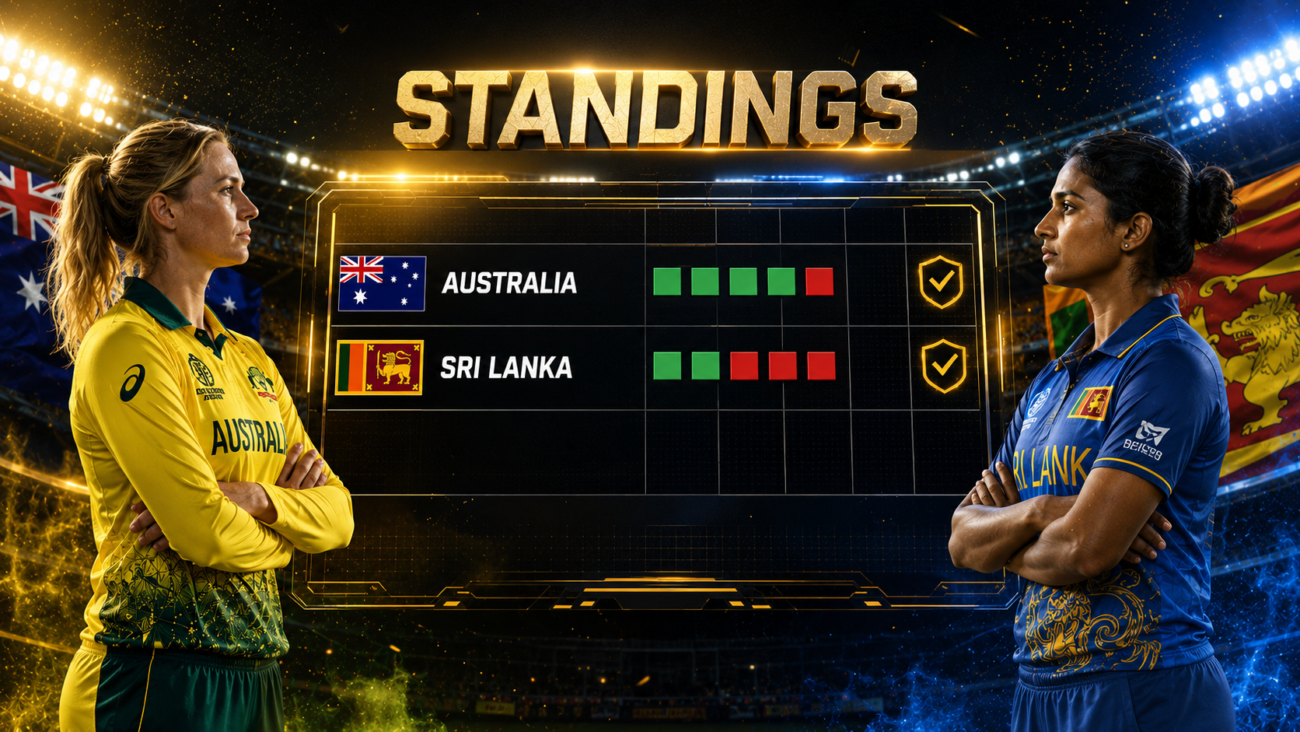
The Australia National Cricket Team vs Sri Lanka National Cricket Team standings reflect a rivalry that has evolved significantly over the decades. What began as a contest between an established cricket powerhouse and an emerging nation gradually transformed into a competitive battle filled with memorable moments, iconic performances, and historic matches. From thrilling World Cup encounters to intense bilateral series, both teams have contributed to some of cricket’s most fascinating chapters. Legendary players, tactical masterclasses, and record-breaking achievements have shaped this rivalry, making it one of the most respected contests in international cricket across Test, ODI, and T20 formats.
Match Overview Table
| Match Identifier | Format | Event / Tour | Venue Location | Toss Winner | Pitch Condition | Attendance / Vibe |
| T20I #3718 | T20I | T20 World Cup 2026 | Pallekele, Kandy | Sri Lanka | Excellent Batting | Packed House |
| ODI #4812 | ODI | Australia Tour 2025 | Colombo (RPS) | Sri Lanka | Slow Turning | High Turnout |
| ODI #4811 | ODI | Australia Tour 2025 | Colombo (RPS) | Australia | Dry / Cracking | Near Capacity |
| T20I #1845 | T20I | T20 World Cup 2022 | Perth Stadium | Australia | Bouncy / Fast | High Intensity |
| T20I #1564 | T20I | Bilateral Series 2022 | Pallekele, Kandy | Sri Lanka | Balanced Deck | Passionate Crowd |
| T20I #1552 | T20I | Bilateral Series 2022 | Colombo (RPS) | Australia | Spin Friendly | Loud Atmosphere |
Best Bowling Figures Table
| Player Name | Team Represented | Format | Overs Bowled | Maidens | Runs Allowed | Wickets Taken |
| Ajantha Mendis | Sri Lanka | T20I | 4.0 | 1 | 16 | 6 |
| Michael Kasprowicz | Australia | Test | 17.4 | 4 | 36 | 7 |
| Rangana Herath | Sri Lanka | Test | 18.1 | 2 | 43 | 7 |
| Dunith Wellalage | Sri Lanka | ODI | 10.0 | 1 | 41 | 4 |
| Dushan Hemantha | Sri Lanka | T20I | 4.0 | 0 | 37 | 3 |
| Marcus Stoinis | Australia | T20I | 4.0 | 0 | 46 | 2 |
Statistical Comparison Table
| Statistical Metric | Australia Data | Sri Lanka Data | Highest Inning | Lowest Inning | Most Runs Player | Most Wkts Player |
| Test Matches | 31 Wins | 5 Wins | 654 Runs | 107 Runs | M. Jayawardene | Shane Warne |
| ODI Matches | 63 Wins | 36 Wins | 376 Runs | 74 Runs | Ricky Ponting | Muttiah Murali |
| T20I Matches | 11 Wins | 10 Wins | 263 Runs | 91 Runs | David Warner | Adam Zampa |
| Home Matches | 39 Wins | 14 Wins | 654 Runs | 91 Runs | Steven Smith | Mitchell Starc |
| Away Matches | 13 Wins | 16 Wins | 343 Runs | 107 Runs | Glenn Maxwell | Pat Cummins |
| Neutral Venues | 13 Wins | 7 Wins | 311 Runs | 133 Runs | Aaron Finch | Josh Hazlewood |
Match Result and Player of the Match Table
| Match Date | Winning Team | Defeated Team | Winning Margin | First Innings | Second Innings | Player of the Match |
| Feb 16, 2026 | Sri Lanka | Australia | 8 Wickets | 181 All Out | 184/2 | Pathum Nissanka |
| Feb 15, 2025 | Sri Lanka | Australia | 174 Runs | 281/4 | 107 All Out | Kusal Mendis |
| Feb 12, 2025 | Sri Lanka | Australia | 3 Wickets | 162 All Out | 163/7 | Charith Asalanka |
| Oct 25, 2022 | Australia | Sri Lanka | 7 Wickets | 157/6 | 158/3 | Marcus Stoinis |
| Jun 11, 2022 | Sri Lanka | Australia | 4 Wickets | 176/5 | 177/6 | Dasun Shanaka |
| Jun 8, 2022 | Australia | Sri Lanka | 3 Wickets | 124/9 | 126/7 | Matthew Wade |
When an Emerging Nation Challenged a Cricket Giant
The rivalry began when one side was already a global powerhouse while the other was still building its reputation in international cricket. Early encounters often reflected the difference in experience, squad depth, and tactical maturity. Established stars regularly controlled matches with disciplined bowling and confident batting performances. However, the underdog side showed determination and gradual improvement with every series. Young players gained valuable exposure against world-class opposition, learning how to handle pressure situations and adapt to different conditions. Several matches appeared one-sided on the scoreboard, yet they played an important role in shaping future competitiveness. Fans witnessed the beginning of a relationship that would evolve significantly over the years. Each contest added another chapter to a growing cricket story filled with lessons, ambition, and development. These early meetings laid the foundation for future classics and helped transform a developing cricket nation into a team capable of challenging the very best on the international stage.
| Era | Matches | Wins | Losses | Impact |
| Early Years | 5 | 1 | 4 | Learning Phase |
| Bilateral Tours | 8 | 2 | 6 | Experience Gained |
| Home Matches | 4 | 1 | 3 | Competitive Growth |
| Away Matches | 4 | 1 | 3 | Valuable Exposure |
| Overall Trend | 13 | 3 | 10 | Foundation Built |
Learning Through Defeat and Building Confidence
Success rarely arrives instantly in international cricket. During the formative years of this rivalry, setbacks became valuable learning opportunities. Several defeats highlighted weaknesses in batting depth, fielding standards, and consistency under pressure. Coaches and senior players focused on improving these areas through careful planning and preparation. Young cricketers gained confidence by competing against elite performers and gradually closing the performance gap. Small improvements started appearing in scorecards as batting partnerships lasted longer and bowlers created more opportunities. Although victories remained difficult to achieve, belief within the dressing room continued to grow. Every challenging tour helped players understand the mental demands of top-level cricket. Fans remained hopeful as signs of progress became increasingly visible. Over time, these experiences strengthened team culture and resilience. The ability to learn from difficult situations eventually became one of the defining characteristics of future success. What once seemed an impossible challenge slowly transformed into a genuine contest between two ambitious cricketing nations.
| Area | Early Stage | Improvement | Result | Outcome |
| Batting | Inconsistent | Better Partnerships | More Runs | Growth |
| Bowling | Limited Threat | Tactical Plans | More Wickets | Progress |
| Fielding | Average | Improved Fitness | Fewer Errors | Stability |
| Mindset | Nervous | Confident | Better Results | Development |
| Team Culture | Learning | Matured | Strong Unit | Success |
The Arrival of Match Winners and Changing Momentum
Every great rivalry changes when exceptional players emerge and alter the balance of power. This period witnessed the rise of influential performers capable of winning matches through individual brilliance. Aggressive batting, intelligent captaincy, and disciplined bowling transformed competitive contests into memorable spectacles. Several victories during this era changed perceptions and proved that past results no longer guaranteed future outcomes. Teams began studying each other more carefully, leading to tactical adjustments and strategic innovation. Spectators enjoyed closer contests as both sides possessed genuine match-winning talent. Partnerships became more significant, while bowlers developed specific plans for key opponents. Confidence grew after landmark victories, encouraging players to approach major tournaments with greater belief. Momentum shifted regularly, making outcomes harder to predict. The rivalry gained wider international attention because matches frequently produced drama and high-quality cricket. This chapter marked an important transition from a one-sided contest to a balanced competition filled with uncertainty and excitement.
| Factor | Previous Era | New Era | Change | Effect |
| Batting Power | Moderate | Strong | Increased | More Wins |
| Bowling Depth | Limited | Balanced | Improved | Greater Threat |
| Leadership | Developing | Experienced | Stronger | Better Decisions |
| Team Confidence | Growing | High | Significant | Consistency |
| Rivalry Level | Uneven | Competitive | Major Shift | Global Interest |
World Cup Battles Under Intense Pressure
Global tournaments added a completely different dimension to this cricketing relationship. Every encounter carried enormous significance because a single result could influence an entire campaign. Players faced immense pressure from supporters, media attention, and national expectations. Tactical decisions became more important as captains searched for advantages in crucial moments. Batters needed composure while bowlers had to execute plans with precision. Several matches featured dramatic momentum swings that kept spectators engaged until the final stages. Outstanding individual performances often determined outcomes when pressure reached its highest point. These contests produced unforgettable memories and strengthened the emotional connection between fans and their teams. Success on the world stage brought prestige and confidence, while defeat created disappointment and reflection. Tournament meetings elevated the rivalry beyond bilateral competition and transformed it into a significant part of international cricket history. The intensity of these occasions ensured that every result remained meaningful long after the final ball.
| Tournament Stage | Matches | Close Finishes | Key Performers | Impact |
| Group Stage | 4 | 2 | Several | Momentum |
| Quarter Final | 1 | 1 | Match Winners | Progress |
| Semi Final | 2 | 1 | Star Players | High Stakes |
| Final | 1 | 1 | Historic Heroes | Legacy |
| Overall | 8 | 5 | Multiple Stars | Global Recognition |
Spin Masters and Tactical Innovation
Some of the most fascinating chapters emerged through battles between world-class spin bowlers and elite batters. Different playing conditions encouraged experimentation and strategic thinking. Captains carefully managed bowling rotations while field placements became increasingly creative. Spin attacks often dictated the pace of matches and forced batters to adapt their techniques. Patience, footwork, and shot selection became essential skills for survival. Teams invested significant effort into analyzing opponents and preparing detailed game plans. These contests demonstrated how cricket is as much a mental challenge as a physical one. Spectators appreciated the technical quality on display as experienced players attempted to outthink each other. Memorable spells and crucial breakthroughs frequently influenced series outcomes. Tactical innovation became a defining feature of this era, proving that success required more than talent alone. Strategic excellence and adaptability helped shape some of the rivalry’s most respected and closely contested encounters.
| Tactical Area | Team Focus | Strategy | Benefit | Result |
| Spin Bowling | Control | Pressure Building | Wickets | Success |
| Batting Plans | Rotation | Strike Management | Stability | Runs |
| Field Placements | Aggressive | Catching Chances | Breakthroughs | Advantage |
| Captaincy | Flexible | Matchups | Better Decisions | Control |
| Preparation | Detailed Analysis | Opponent Study | Confidence | Performance |
Golden Generation Clashes and Memorable Performances
The rivalry reached new heights when both teams featured exceptional talent across batting and bowling departments. Matches became showcases for elite skill, leadership, and competitive spirit. Experienced players consistently delivered under pressure and inspired teammates through remarkable performances. Several encounters featured outstanding centuries, crucial partnerships, and match-winning bowling spells. Supporters eagerly anticipated every meeting because results were rarely predictable. Captains demonstrated tactical intelligence while senior players embraced responsibility during difficult situations. The quality of cricket improved significantly, attracting global attention and admiration. Rivalry narratives expanded as individual player battles became major talking points. Consistency at the highest level helped define this era and created many unforgettable moments. Spectacular performances often shifted momentum and influenced future contests. These years remain among the most celebrated periods in the history of the rivalry due to the combination of talent, competitiveness, and drama.
| Category | Contribution | Influence | Match Impact | Legacy |
| Centuries | High | Strong | Game Changing | Historic |
| Partnerships | Crucial | Stable Innings | Match Control | Memorable |
| Bowling Spells | Outstanding | Wicket Taking | Momentum Shift | Lasting |
| Leadership | Inspirational | Team Unity | Better Results | Respected |
| Fielding | Sharp | Pressure | Extra Chances | Valuable |
Recent Encounters and the Future of the Rivalry
Modern cricket has introduced new formats, fresh talent, and evolving strategies. Recent encounters reflect a balance between experience and youth as emerging players seek to establish their reputations. Advanced analytics, fitness standards, and specialized coaching have influenced preparation and performance. Teams now approach contests with detailed plans designed to exploit specific strengths and weaknesses. Younger cricketers bring fearless attitudes and innovative shot-making, while experienced campaigners provide stability during challenging moments. The rivalry continues to produce exciting contests across different formats and conditions. Fans remain passionate because every series offers opportunities for new heroes to emerge. Competitive balance has improved, ensuring that victories must be earned through disciplined execution and adaptability. Future chapters promise further excitement as both teams continue evolving. The rivalry’s rich history provides context, but modern players are creating their own stories and adding fresh memories for supporters around the world.
| Modern Aspect | Earlier Approach | Current Approach | Advantage | Future Impact |
| Fitness | Standard | Elite | Consistency | Higher Level |
| Analytics | Limited | Advanced | Better Planning | Smarter Cricket |
| Batting Style | Traditional | Aggressive | Faster Scoring | Entertainment |
| Bowling Plans | General | Specific Matchups | Efficiency | Success |
| Talent Pipeline | Developing | Strong | Sustainability | Bright Future |
Conclusion
The Australia National Cricket Team vs Sri Lanka National Cricket Team standings tell a story far deeper than wins and losses. Over the years, this rivalry has showcased remarkable talent, unforgettable matches, and outstanding individual performances. Both teams have experienced periods of dominance while continuously pushing each other to higher standards. Historic World Cup clashes, legendary player battles, and tactical innovations have enriched international cricket and strengthened the rivalry’s legacy. As new generations emerge and fresh chapters unfold, fans can expect more exciting encounters. The history between these two cricketing nations remains a powerful example of competition, resilience, and sporting excellence.
FAQs
Q1. What do the Australia National Cricket Team vs Sri Lanka National Cricket Team standings represent?
The standings represent the overall head-to-head record and performance comparison between the two teams across different international formats.
Q2. Which format has produced the most memorable matches between the two teams?
ODI cricket, particularly World Cup encounters, has delivered many of the rivalry’s most memorable and historic matches.
Q3. Who are some legendary players associated with this rivalry?
Ricky Ponting, Adam Gilchrist, Shane Warne, Kumar Sangakkara, Mahela Jayawardene, Chaminda Vaas, and Muttiah Muralitharan are among the most influential players.
Q4. Why is this rivalry important in international cricket?
The rivalry highlights the growth of Sri Lankan cricket while showcasing consistent excellence from Australia across multiple generations.
Q5. How has the rivalry changed in the modern era?
Modern encounters feature new talent, advanced strategies, improved fitness standards, and competitive matches across Test, ODI, and T20 cricket.
