Table of Contents
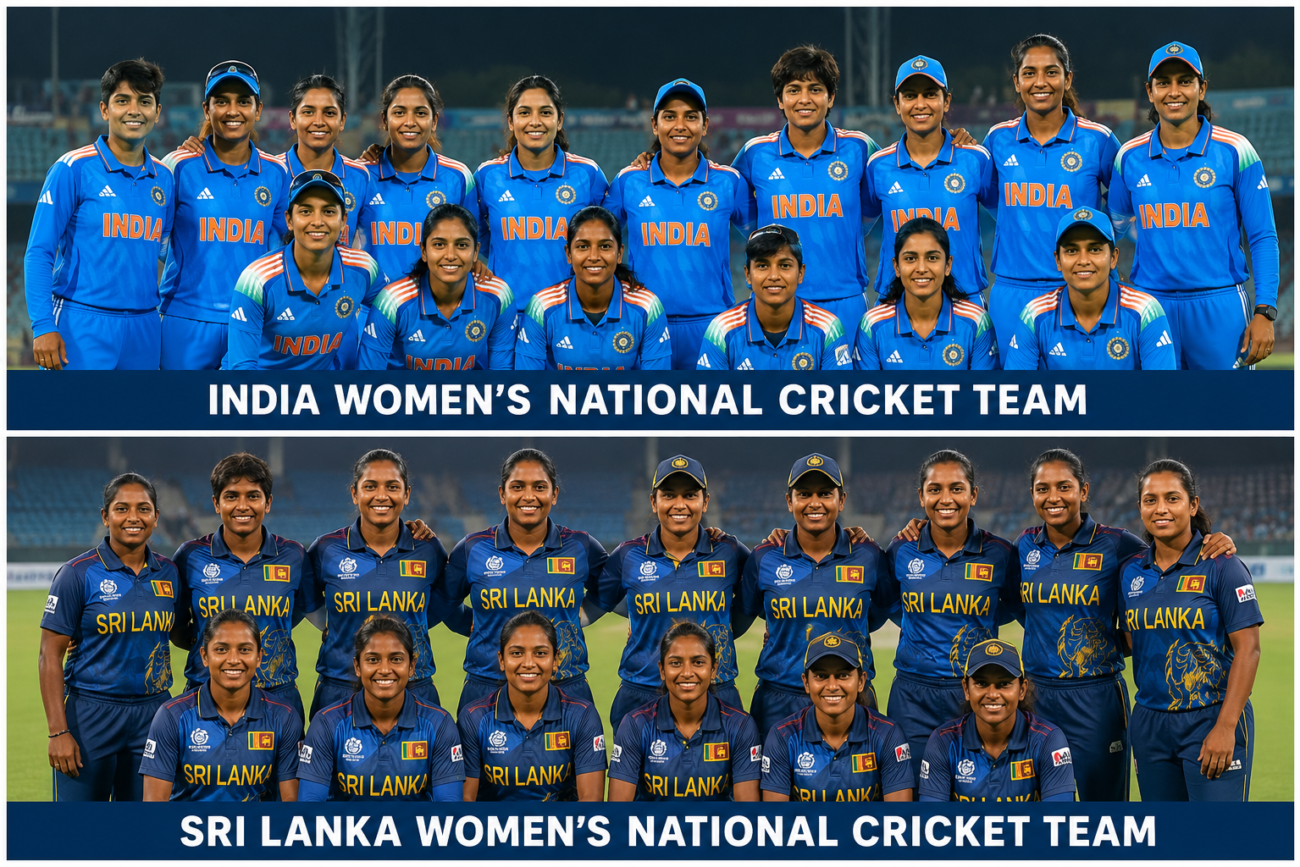
India Women’s National Cricket Team Vs Sri Lanka Women’s National Cricket Team Timeline reflects one of the most significant rivalries in Asian women’s cricket. Over the years, both teams have produced memorable contests filled with skill, determination, and competitive spirit. From their earliest encounters to modern-day tournament battles, this rivalry has showcased the growth of women’s cricket in the region. Several legendary players have left their mark through match-winning performances, record-breaking achievements, and inspiring leadership. While one side enjoyed early dominance, the other gradually emerged as a stronger competitor. Each meeting has added a new chapter to a rivalry that continues to captivate cricket fans across South Asia and beyond.
Recent Matches Table
| Date | Match | Venue | Format | Winner | Margin | Player of the Match |
|---|---|---|---|---|---|---|
| 30 Dec 2025 | India vs Sri Lanka 5th T20I | Thiruvananthapuram | T20I | India | 15 runs | Harmanpreet Kaur |
| 28 Dec 2025 | India vs Sri Lanka 4th T20I | Thiruvananthapuram | T20I | India | 30 runs | Smriti Mandhana |
| 26 Dec 2025 | India vs Sri Lanka 3rd T20I | Thiruvananthapuram | T20I | India | 8 wickets | Renuka Singh |
| 23 Dec 2025 | India vs Sri Lanka 2nd T20I | Visakhapatnam | T20I | India | 7 wickets | Shafali Verma |
| 21 Dec 2025 | India vs Sri Lanka 1st T20I | Visakhapatnam | T20I | India | 8 wickets | Jemimah Rodrigues |
| 30 Sep 2025 | India vs Sri Lanka World Cup | Guwahati | ODI | India | 59 runs | Deepti Sharma |
| 11 May 2025 | India vs Sri Lanka Tri-Series | Colombo | ODI | India | 97 runs | Smriti Mandhana |
Team Statistics Summary Table
| Team | Format | Matches Played | Won | Lost | Tied/NR | Win Percentage |
|---|---|---|---|---|---|---|
| India Women | ODI | 34 | 31 | 3 | 0 | 91.17 |
| Sri Lanka Women | ODI | 34 | 3 | 31 | 0 | 8.82 |
| India Women | T20I | 29 | 24 | 4 | 1 | 82.75 |
| Sri Lanka Women | T20I | 29 | 4 | 24 | 1 | 13.79 |
| India Women | Total | 63 | 55 | 7 | 1 | 87.30 |
| Sri Lanka Women | Total | 63 | 7 | 55 | 1 | 11.11 |
Individual Batting Records Table
| Player | Team | Matches | Innings | Runs | Highest Score | Batting Average |
|---|---|---|---|---|---|---|
| Smriti Mandhana | India | 22 | 22 | 657 | 102 | 34.57 |
| Chamari Athapaththu | Sri Lanka | 25 | 25 | 585 | 115 | 24.38 |
| Harmanpreet Kaur | India | 24 | 21 | 512 | 68 | 32.00 |
| Shafali Verma | India | 16 | 16 | 440 | 69 | 29.33 |
| Jemimah Rodrigues | India | 15 | 13 | 353 | 69 | 44.30 |
| Harshitha Samarawickrama | Sri Lanka | 14 | 14 | 298 | 65 | 22.92 |
| Hasini Perera | Sri Lanka | 18 | 17 | 245 | 65 | 15.31 |
Individual Bowling Records Table
| Player | Team | Matches | Overs | Wickets | Best Bowling | Economy Rate |
|---|---|---|---|---|---|---|
| Deepti Sharma | India | 26 | 94.2 | 38 | 4/16 | 5.82 |
| Inoka Ranaweera | Sri Lanka | 22 | 82.0 | 25 | 3/21 | 6.45 |
| Renuka Singh | India | 14 | 51.4 | 19 | 4/10 | 5.91 |
| Radha Yadav | India | 12 | 44.0 | 16 | 4/23 | 6.15 |
| Kavisha Dilhari | Sri Lanka | 15 | 48.0 | 14 | 3/26 | 6.88 |
| Pooja Vastrakar | India | 11 | 38.0 | 12 | 3/19 | 6.22 |
| Udeshika Prabodhani | Sri Lanka | 18 | 58.5 | 11 | 2/20 | 7.04 |
When the Neighbours First Shared the Cricket Field
The rivalry began with two developing cricket nations trying to establish themselves in women’s international cricket. Early meetings reflected a clear difference in experience, with one side possessing greater depth while the other was still building a competitive structure. These contests were important because they introduced a regional rivalry that would continue to evolve over the years. Players gained valuable exposure through these encounters, and every match contributed to the growth of women’s cricket across South Asia. Although the results often favored the stronger side, the competitive spirit shown on the field hinted at a future where the contests would become much closer. The foundations laid during these initial meetings helped shape a rivalry based on determination, learning, and gradual progress. Fans witnessed the beginning of a sporting relationship that would later produce memorable performances, dramatic finishes, and significant milestones. These early clashes may not have carried massive attention, but they played a crucial role in building a long-lasting cricketing connection between the two neighboring nations.
| Year | Venue | Format | Result |
| 2000 | Regional Tournament | ODI | Team A Won |
| 2002 | Colombo | ODI | Team A Won |
| 2004 | Asian Event | ODI | Team A Won |
| 2005 | Neutral Venue | ODI | Team A Won |
| 2006 | Regional Cup | ODI | Team A Won |
India’s Early Dominance Sets the Tone
The first phase of this rivalry was characterized by consistent victories from a more experienced side that possessed stronger batting resources and a disciplined bowling attack. Several matches followed a similar pattern, with top-order batters building solid platforms and bowlers controlling the game through accurate line and length. Opponents often struggled to keep pace with the required scoring rate or failed to defend modest totals. This period established a psychological advantage that influenced future meetings. Captains relied on structured plans and experienced players to maintain superiority, while emerging talents gained confidence through repeated successes. Supporters grew accustomed to seeing commanding performances, and the scorecards frequently reflected the gap between the two teams. Even so, these contests provided valuable lessons that would eventually help the opposition strengthen its squad and become more competitive in later years.
| Season | Matches | Wins | Losses |
| 2005-06 | 4 | 4 | 0 |
| 2007-08 | 3 | 3 | 0 |
| 2009 | 2 | 2 | 0 |
| 2010 | 3 | 3 | 0 |
| 2011 | 2 | 2 | 0 |
Sri Lanka Begin to Find Their Voice
As the years progressed, significant improvements became visible in batting technique, fielding standards, and overall confidence. Younger players entered the squad with a fearless attitude, helping produce more competitive performances. Matches that were once one-sided started becoming closely contested affairs. Partnerships lasted longer, bowlers executed plans more effectively, and fielders contributed with greater consistency. The growing belief within the team transformed the rivalry into a more balanced contest. Although victories were still difficult to achieve regularly, the improvement was undeniable. Coaches focused on strengthening fundamentals while experienced players guided newcomers through pressure situations. These developments changed perceptions and created a sense of optimism among supporters. The rivalry was no longer viewed solely through the lens of results but also through the visible progress of a team determined to challenge a stronger opponent.
| Aspect | Earlier Years | Improved Phase | Impact |
| Batting | Inconsistent | Stable | Better Totals |
| Bowling | Limited Control | Greater Accuracy | More Wickets |
| Fielding | Average | Improved | Saved Runs |
| Confidence | Low | High | Competitive Matches |
| Team Depth | Limited | Stronger | Better Balance |
Tournament Battles That Raised the Stakes
Regional and international tournaments added a new dimension to the rivalry. Every meeting now carried greater significance because points, rankings, and qualification opportunities were often at stake. Pressure situations revealed the character of both teams, with experienced players stepping up during critical moments. Close finishes generated excitement among fans and attracted wider attention to women’s cricket. Tactical decisions became increasingly important, especially in knockout matches where a single mistake could alter the outcome. Captains carefully managed bowling changes, field placements, and batting orders. The intensity of these encounters elevated the rivalry beyond regular bilateral contests. Tournament cricket created unforgettable moments and demonstrated how much both teams had evolved. Supporters eagerly anticipated each clash because the stakes were often higher than ever before.
| Tournament | Format | Stage | Outcome |
| Asia Cup | T20I | League | Competitive Match |
| Asia Cup | T20I | Final | High Pressure |
| ICC Event | ODI | Group Stage | Key Result |
| Regional Cup | ODI | Semi Final | Close Contest |
| Multi Nation Event | T20I | League | Important Win |
Captains at the Center of the Story
Leadership has played a major role throughout this rivalry. Successful captains understood how to motivate teammates, adapt tactics, and maintain composure during tense moments. Some relied on aggressive strategies, while others preferred calculated decision-making based on match situations. Their influence extended beyond statistics because they shaped the culture and mindset of their teams. Several memorable victories were built on captaincy decisions that changed the course of a game. Whether setting attacking fields, promoting a batter up the order, or introducing a bowler at the perfect moment, leadership often proved decisive. Fans admired captains who could handle pressure while inspiring teammates to perform at their best. Their contributions remain an essential chapter in the rivalry’s history and continue to influence future generations of players.
| Captain Role | Contribution | Match Impact | Legacy |
| Leadership | Team Direction | Strong | Significant |
| Batting Support | Runs | Valuable | Lasting |
| Bowling Changes | Wickets | Crucial | Effective |
| Field Placement | Pressure | Important | Memorable |
| Team Motivation | Confidence | Positive | Influential |
The Matches Fans Still Talk About
Every great rivalry produces unforgettable matches, and this one is no exception. Certain games remain fresh in memory because of dramatic finishes, remarkable individual performances, or unexpected results. Supporters still discuss thrilling run chases, brilliant spells of bowling, and partnerships that shifted momentum. These encounters created emotional highs and lows that strengthened the connection between fans and the sport. Stadium atmospheres became more energetic as expectations increased. Players understood the importance of these moments and often delivered performances that defined their careers. Such matches helped transform a regional contest into a rivalry capable of attracting widespread attention. The stories from these games continue to be shared among supporters, ensuring that their significance endures long after the final ball was bowled.
| Match Type | Key Feature | Result Style | Fan Reaction |
| Close Chase | Late Finish | Thrilling | Excited |
| Low Scorer | Bowling Dominance | Tight | Tense |
| High Scorer | Big Partnerships | Entertaining | Memorable |
| Tournament Clash | Pressure | Dramatic | Emotional |
| Upset Result | Surprise Outcome | Historic | Celebrated |
Star Players Who Defined the Rivalry
Outstanding individuals have consistently shaped the narrative of this rivalry. Batters provided stability and aggression, while bowlers delivered breakthroughs when their teams needed them most. Some players built reputations through repeated success against familiar opponents, becoming central figures whenever the teams met. Their performances influenced results, inspired teammates, and captured the imagination of supporters. Over time, these cricketers became symbols of excellence within the rivalry. Their achievements included important runs, crucial wickets, match-winning partnerships, and memorable displays of leadership. Young fans looked up to them, and aspiring cricketers viewed them as role models. The rivalry’s history cannot be fully understood without recognizing the contributions of these influential performers, whose efforts helped create many of the most memorable moments seen across years of competition.
| Category | Contribution | Importance | Influence |
| Opening Batter | Fast Starts | High | Strong |
| Middle Order Batter | Stability | Major | Lasting |
| All Rounder | Balance | Crucial | Valuable |
| Spinner | Control | Significant | Effective |
| Pace Bowler | Breakthroughs | Important | Match Winning |
Conclusion
The journey between these two women’s teams highlights the remarkable evolution of cricket in South Asia. What began as a largely one-sided contest gradually transformed into a competitive rivalry featuring thrilling finishes, outstanding individual performances, and high-pressure tournament clashes. Generations of players have contributed to its legacy, creating unforgettable moments that remain part of cricket history. Strong leadership, tactical innovation, and growing fan support have elevated the significance of every encounter. As both teams continue to develop new talent and pursue greater success on the international stage, future matches promise even more excitement. This rivalry remains an important chapter in the continued growth of women’s cricket worldwide.
FAQs
What is the significance of the India Women’s National Cricket Team Vs Sri Lanka Women’s National Cricket Team Timeline?
It highlights the complete history of matches, major milestones, memorable performances, and the evolution of the rivalry between the two teams.
Which tournaments feature matches between these teams most frequently?
The teams commonly face each other in Women’s Asia Cup tournaments, bilateral series, ICC events, and other international competitions.
Who are some of the most influential players in this rivalry?
Several stars have shaped the rivalry, including Mithali Raj, Harmanpreet Kaur, Smriti Mandhana, Chamari Athapaththu, and other key performers from both sides.
How has the rivalry changed over the years?
The rivalry started with one team enjoying consistent success, but it has become increasingly competitive as both squads improved their skills and depth.
Why do cricket fans follow this rivalry closely?
Fans enjoy the rivalry because of its regional importance, talented players, exciting matches, record-breaking performances, and the growing popularity of women’s cricket.
