Table of Contents
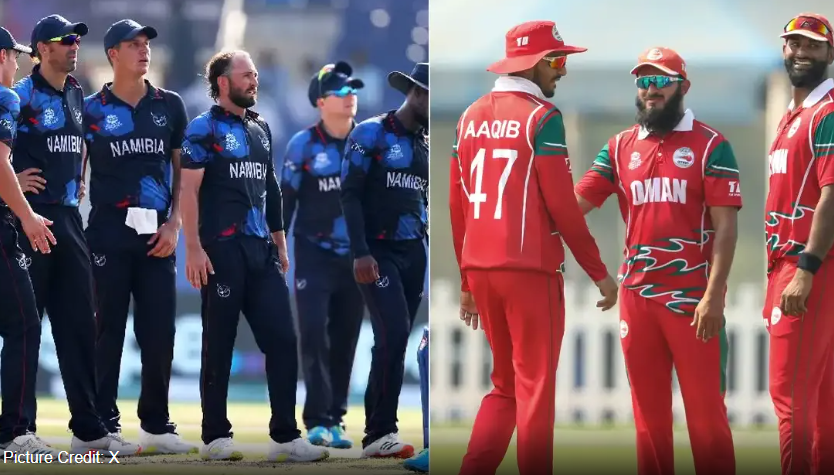
The rivalry between Namibia and Oman has become one of the most competitive contests in Associate cricket. Over the years, both teams have battled for crucial ranking points, tournament qualification, and international recognition. Their encounters have featured impressive batting displays, disciplined bowling performances, and several tense finishes that kept fans engaged until the final ball. As both nations continued their rise in world cricket, every meeting gained greater significance. The rivalry reflects determination, growth, and ambition, showcasing the progress of two emerging cricket nations. From early encounters to high-pressure qualification matches, these contests have played an important role in shaping the modern Associate cricket landscape.
Recent Matches Table
| Match Date | Venue Location | Format | Match Winner | Victory Margin | Top Performer | Venue City |
|---|---|---|---|---|---|---|
| 10 Apr 2026 | Windhoek Ground | ODI | Namibia | By 1 Wicket | Zane Green (40*) | Windhoek |
| 04 Apr 2026 | Wanderers Ground | ODI | Oman | By 3 Wickets | Hammad Mirza (112) | Windhoek |
| 09 Jun 2024 | Kensington Oval | T20I | Namibia | Super Over | David Wiese (3/28) | Bridgetown |
| 23 Apr 2024 | Al Amerat Turf 1 | T20I | Oman | By 8 Wickets | Aqib Ilyas (51*) | Muscat |
| 20 Apr 2024 | Al Amerat Turf 1 | T20I | Namibia | By 24 Runs | Gerhard Erasmus (64) | Muscat |
| 19 Apr 2024 | Al Amerat Turf 1 | T20I | Oman | By 4 Wickets | Khalid Kail (43) | Muscat |
Top Batting Performances of the Match Table
| Rank | Player Name | Team Country | Runs Scored | Balls Faced | Fours Hit | Sixes Hit |
|---|---|---|---|---|---|---|
| 1 | Jan Frylinck | Namibia | 84 | 93 | 8 | 2 |
| 2 | Hammad Mirza | Oman | 81 | 102 | 7 | 0 |
| 3 | Zane Green | Namibia | 40 | 35 | 2 | 2 |
| 4 | Vinayak Shukla | Oman | 39 | 67 | 2 | 1 |
| 5 | Willem Myburgh | Namibia | 32 | 78 | 1 | 0 |
| 6 | Jatinder Singh | Oman | 28 | 34 | 4 | 0 |
Leading Bowlers and Key Wickets Table
| Bowler Name | Team Country | Overs Bowled | Wickets Taken | Runs Conceded | Economy Rate | Crucial Dismissal |
|---|---|---|---|---|---|---|
| Imran Muhammed | Oman | 10.0 | 5 | 39 | 3.90 | Jan Frylinck (84) |
| Jack Brassell | Namibia | 10.0 | 4 | 22 | 2.20 | Jatinder Singh (28) |
| Hassnain Shah | Oman | 10.0 | 2 | 38 | 3.80 | Malan Kruger (5) |
| Ruben Trumpelmann | Namibia | 10.0 | 2 | 39 | 3.90 | J. Ramanandi (16) |
| Dylan Leicher | Namibia | 5.0 | 1 | 33 | 6.60 | Vinayak Shukla (39) |
| Shakeel Ahmad | Oman | 10.0 | 1 | 39 | 3.90 | Bernard Scholtz (1) |
Batting Records and Highest Run Scorers Table
| Player Name [1] | Team Country | Total Runs | Highest Score | Batting Average | Strike Rate | 50s / 100s |
|---|---|---|---|---|---|---|
| Hammad Mirza | Oman | 193 | 112 | 96.50 | 85.02 | 1 / 1 |
| Jan Frylinck | Namibia | 97 | 84 | 48.50 | 79.50 | 1 / 0 |
| Zane Green | Namibia | 82 | 42 | 82.00 | 143.85 | 0 / 0 |
| Gerhard Erasmus | Namibia | 58 | 32 | 29.00 | 74.35 | 0 / 0 |
| Vinayak Shukla | Oman | 39 | 39 | 39.00 | 58.20 | 0 / 0 |
| Jatinder Singh | Oman | 37 | 28 | 18.50 | 78.72 | 0 / 0 |
Bowling Records and Best Performances Table
| Bowler Name | Team Country | Total Wickets | Best Bowling | Bowling Average | Economy Rate | Match Impact Rating |
|---|---|---|---|---|---|---|
| Imran Muhammed | Oman | 5 | 5/39 | 7.80 | 3.90 | High Impact 5-Wicket Haul |
| Hassnain Shah | Oman | 5 | 3/42 | 16.00 | 3.80 | Consistent Opening Threat |
| Jack Brassell | Namibia | 4 | 4/22 | 5.50 | 2.20 | Crucial Powerplay Breakthroughs |
| Shakeel Ahmad | Oman | 3 | 2/42 | 26.33 | 3.90 | Mid-Overs Run Containment |
| Ruben Trumpelmann | Namibia | 2 | 2/39 | 19.50 | 3.90 | Late Inning Death Bowling |
| Dylan Leicher | Namibia | 1 | 1/33 | 33.00 | 6.60 | Partnership-Breaking Spell |
The Rise of Two Associate Powerhouses
Both sides emerged from the competitive Associate cricket structure and gradually established themselves as serious contenders in ICC events. Their progress was built on disciplined cricket, strong domestic development, and consistent performances in qualification tournaments. While one team relied heavily on aggressive pace bowling, the other focused on balanced batting and tactical flexibility. As their paths crossed more frequently in international competitions, each contest gained greater significance. The rivalry became a reflection of ambition, resilience, and the desire to secure a place among cricket’s growing nations. Every meeting carried ranking implications and provided players with an opportunity to prove themselves on a larger stage. The competitive nature of these encounters helped both squads improve their standards and gain valuable experience against high-quality opposition. Over time, what began as occasional meetings evolved into a respected rivalry that attracted attention across the Associate cricket landscape.
| Team Development | Strength Area | Competitive Edge | Tournament Impact |
|---|---|---|---|
| Emerging Structure | Fast Bowling | Early Breakthroughs | Qualification Boost |
| Experienced Core | Batting Depth | Match Awareness | Ranking Growth |
| Youth Development | Fielding Standards | Consistency | Better Results |
| Tactical Planning | Spin Options | Adaptability | ICC Recognition |
The First Meeting That Sparked a Competitive Rivalry
The opening encounter between these sides created the foundation for a long-term competitive relationship. Both teams entered the contest eager to establish dominance and gain valuable points in a challenging tournament environment. The match showcased contrasting approaches, with one side attempting to attack from the outset while the other preferred patience and calculated risk-taking. Individual brilliance played a major role, but tactical discipline ultimately influenced the result. Bowlers maintained pressure through accurate lines and lengths, forcing batters to earn every run. The atmosphere reflected the importance of the occasion, with players displaying determination and intensity throughout the contest. Coaches and analysts closely observed the strengths and weaknesses revealed during the game, knowing future encounters would likely be decided by similar margins. The lessons learned from this first clash shaped strategies in subsequent meetings and ensured that every future contest carried additional significance.
| Match Element | Team Response | Key Factor | Result Influence |
|---|---|---|---|
| Strong Start | Controlled Chase | Momentum | High |
| Bowling Pressure | Defensive Play | Accuracy | Significant |
| Fielding Effort | Quick Adaptation | Energy | Moderate |
| Tactical Moves | Smart Decisions | Discipline | Crucial |
A Battle for Associate Cricket Supremacy
As both teams continued climbing the international ladder, their meetings became increasingly important. Each contest carried implications for rankings, tournament qualification, and regional recognition. Players understood that victories against strong opposition could accelerate progress and strengthen confidence. Competitive balance became a defining feature, with neither side able to maintain dominance for long periods. Tactical adjustments were visible from match to match as coaching staffs searched for advantages. Batters worked on handling specific bowling threats, while bowlers developed plans to target key opposition players. These contests often highlighted the depth of talent available within Associate cricket and demonstrated how closely matched the teams had become. Supporters followed each encounter with growing interest because results frequently influenced broader qualification scenarios. The rivalry eventually evolved into one of the most closely watched contests outside the traditional cricket powerhouses.
| Competitive Area | Team Focus | Advantage Sought | Outcome |
|---|---|---|---|
| Rankings | Consistency | Better Position | Progress |
| Qualification | Winning Streak | Tournament Access | Opportunity |
| Squad Depth | Rotation | Fresh Energy | Stability |
| Performance Growth | Experience | Long-Term Success | Development |
Gerhard Erasmus vs Oman’s Tactical Core
Leadership became a central theme whenever these teams met. Strategic thinking, calm decision-making, and the ability to adapt under pressure often separated victory from defeat. Captains played a vital role in field placements, bowling changes, and chase management. One side frequently relied on experienced leadership to guide younger players through difficult moments, while the other trusted a collective approach built around several senior performers. Tactical battles unfolded throughout each innings as both teams searched for weaknesses. The contest between leadership groups often proved just as important as individual player matchups. Captains had to respond quickly to changing conditions, shifting momentum, and emerging threats. Their decisions influenced scoring rates, wicket-taking opportunities, and overall team confidence. The rivalry therefore became a showcase for strategic cricket, where planning and execution were often decisive factors.
| Leadership Area | Strategic Goal | Match Impact | Benefit |
|---|---|---|---|
| Field Settings | Restrict Runs | High | Control |
| Bowling Changes | Break Partnerships | Significant | Momentum |
| Batting Plans | Manage Pressure | Strong | Stability |
| Tactical Flexibility | Adapt Quickly | Crucial | Advantage |
The Bowling Wars That Defined the Rivalry
Many memorable contests were shaped by exceptional bowling performances. Fast bowlers generated movement and pace to challenge top-order batters, while spinners controlled the middle overs with accuracy and variation. Wickets often arrived in clusters, transforming the direction of matches within a few deliveries. Bowlers understood the importance of maintaining pressure because even minor mistakes could be punished by experienced batters. New-ball spells frequently established early momentum, while disciplined death-over execution prevented opponents from accelerating late in the innings. Several encounters featured outstanding individual efforts that changed the course of games. These performances highlighted the value of preparation, patience, and tactical awareness. The rivalry earned a reputation for competitive bowling displays because both sides consistently produced players capable of delivering match-winning spells in crucial situations.
| Bowling Aspect | Strength Displayed | Tactical Value | Match Effect |
|---|---|---|---|
| New Ball Control | Early Wickets | Pressure | Strong |
| Middle Overs | Run Restriction | Balance | Important |
| Spin Variation | Batting Disruption | Control | Effective |
| Death Overs | Finishing Skills | Containment | Decisive |
When Batting Records Began to Fall
As the rivalry matured, batting performances became increasingly influential. Several players produced memorable innings under pressure, demonstrating composure and technical skill against quality attacks. Partnerships often proved decisive, particularly when teams recovered from difficult positions. Aggressive stroke play combined with intelligent strike rotation allowed batters to build momentum and challenge bowling plans. High-scoring encounters showcased the growing confidence and maturity of both lineups. Experienced players accepted responsibility during crucial phases, while younger talents used the rivalry as an opportunity to announce themselves on the international stage. Match-winning knocks frequently arrived when conditions were challenging and expectations were highest. These innings not only influenced results but also created lasting memories for supporters who witnessed remarkable displays of determination and skill.
| Batting Factor | Contribution | Importance | Result Impact |
|---|---|---|---|
| Top Order Runs | Strong Platform | High | Positive |
| Partnerships | Stability | Significant | Momentum |
| Strike Rotation | Pressure Relief | Valuable | Consistency |
| Finishing Ability | Late Acceleration | Crucial | Match Winning |
ICC Cricket World Cup League 2 Encounters and Growing Tension
League competition added another layer of intensity to this rivalry. Every point carried importance because qualification pathways were closely contested. Teams approached these matches with heightened focus, understanding that a single result could influence future opportunities. Pressure increased as tournaments progressed and qualification scenarios became more complex. Players faced greater expectations from supporters and coaching staffs, making composure a critical factor. Close finishes, tactical battles, and momentum swings became common features of these contests. The ability to handle pressure often separated successful teams from disappointed ones. As qualification races tightened, each encounter gained additional significance and generated increased attention across the cricket community. These matches demonstrated the growing professionalism and competitiveness of Associate cricket while reinforcing the importance of every run, wicket, and strategic decision.
| League Factor | Competitive Value | Team Objective | Influence |
|---|---|---|---|
| Qualification Points | High Priority | Advancement | Major |
| Net Run Rate | Additional Value | Better Standing | Important |
| Squad Management | Consistency | Performance | Useful |
| Pressure Handling | Critical Skill | Victory | Decisive |
Conclusion
The contests between these two teams have produced memorable performances, tactical battles, and significant moments in international cricket. Each encounter has contributed to a rivalry built on competitiveness and mutual respect. Strong leadership, match-winning innings, and outstanding bowling spells have consistently influenced results, making every clash unpredictable. The rivalry has also highlighted the increasing quality of Associate cricket and demonstrated how emerging nations can compete at a high level. As both teams continue pursuing success on the global stage, future meetings are expected to deliver more excitement, drama, and defining moments for players and supporters alike.
Frequently Asked Questions
What makes this rivalry important in Associate cricket?
This rivalry is important because both teams regularly compete for ICC tournament qualification, ranking points, and international recognition, making their matches highly competitive.
Which players have had the biggest impact in these contests?
Several experienced batters, all-rounders, and bowlers have delivered match-winning performances, often influencing the outcome through crucial partnerships or key wickets.
Why are these matches often closely contested?
Both teams possess balanced squads and similar levels of experience, resulting in competitive games where small moments frequently determine the winner.
How have these encounters influenced tournament qualification races?
Many meetings have taken place during qualification events, where victories directly affected standings and improved a team’s chances of reaching major ICC tournaments.
What can fans expect from future meetings?
Supporters can expect intense competition, tactical battles, strong individual performances, and high-pressure situations as both teams continue their development in international cricket.
