Table of Contents
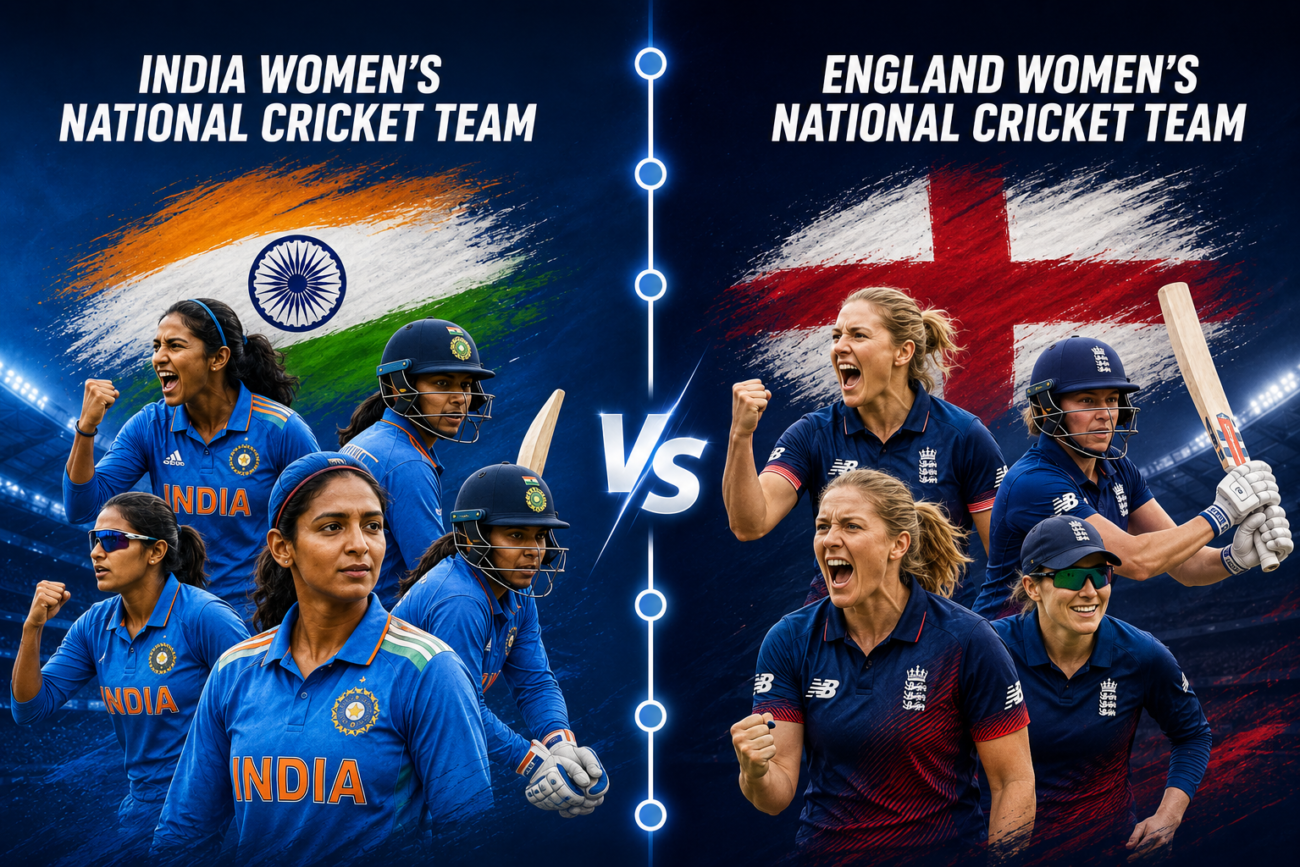
The timeline of encounters between the two teams reflects a journey of evolving skill, rising intensity, and shifting dominance. What began as uneven contests gradually transformed into closely fought battles marked by pressure situations, tactical growth, and standout individual performances. Early matches highlighted experience gaps, but over time, improved preparation, stronger domestic structures, and emerging talent narrowed the difference. Each meeting added a new layer to the rivalry, shaping confidence, strategy, and fan expectations. From World Cup clashes to bilateral series, every game contributed to a growing narrative of competition, resilience, and changing momentum across different eras of women’s international cricket.
Recent Matches
| Date | Match Details | Format | Venue | Winner | Margin | Player of Match |
|---|---|---|---|---|---|---|
| 10 June 2026 | World Cup Warm-up | T20 | Cardiff | England Women | 5 runs | Sophia Dunkley |
| 2 June 2026 | 3rd T20I | T20I | Taunton | England Women | 6 wickets | Nat Sciver-Brunt |
| 30 May 2026 | 2nd T20I | T20I | Bristol | England Women | 26 runs | Sophie Ecclestone |
| 28 May 2026 | 1st T20I | T20I | Chelmsford | India Women | 38 runs | Smriti Mandhana |
| 22 July 2025 | 3rd ODI | ODI | Chester-le-Street | India Women | 13 runs | Deepti Sharma |
| 19 July 2025 | 2nd ODI | ODI | London | England Women | 8 wickets | Tammy Beaumont |
| 16 July 2025 | 1st ODI | ODI | Southampton | India Women | 4 wickets | Harmanpreet Kaur |
Team Statistics Summary
| Team | Matches Played | Matches Won | Matches Lost | Tied Matches | No Result | Highest Total |
|---|---|---|---|---|---|---|
| India Women | 124 | 52 | 68 | 1 | 3 | 201 for 3 |
| England Women | 124 | 68 | 52 | 1 | 3 | 224 for 4 |
| India Women Home | 45 | 18 | 27 | 0 | 0 | 198 for 4 |
| England Women Home | 58 | 34 | 22 | 1 | 1 | 224 for 4 |
| India Women Away | 58 | 22 | 34 | 1 | 1 | 201 for 3 |
| England Women Away | 45 | 27 | 18 | 0 | 0 | 192 for 5 |
| Neutral Venues | 21 | 12 | 9 | 0 | 2 | 185 for 6 |
Individual Batting Records
| Player Name | Team | Matches | Innings | Total Runs | Highest Score | Batting Average |
|---|---|---|---|---|---|---|
| Smriti Mandhana | India | 42 | 41 | 1245 | 94 | 34.58 |
| Harmanpreet Kaur | India | 45 | 42 | 1108 | 107 | 30.77 |
| Nat Sciver-Brunt | England | 38 | 36 | 1092 | 89 | 36.40 |
| Tammy Beaumont | England | 32 | 32 | 985 | 114 | 32.83 |
| Heather Knight | England | 41 | 37 | 942 | 78 | 28.54 |
| Mithali Raj | India | 29 | 28 | 872 | 74 | 36.33 |
| Danni Wyatt | England | 39 | 36 | 815 | 64 | 24.69 |
Individual Bowling Records
| Player Name | Team | Matches | Overs Bowled | Wickets Taken | Best Bowling | Economy Rate |
|---|---|---|---|---|---|---|
| Sophie Ecclestone | England | 34 | 132.4 | 48 | 4 for 14 | 5.82 |
| Deepti Sharma | India | 39 | 148.2 | 42 | 4 for 22 | 6.15 |
| Anya Shrubsole | England | 26 | 98.1 | 36 | 4 for 12 | 5.43 |
| Katherine Sciver-Brunt | England | 28 | 104.5 | 33 | 3 for 18 | 5.91 |
| Rajeshwari Gayakwad | India | 27 | 96.0 | 29 | 3 for 21 | 6.38 |
| Pooja Vastrakar | India | 25 | 84.3 | 24 | 3 for 31 | 6.95 |
| Sarah Glenn | England | 22 | 81.0 | 23 | 3 for 15 | 6.04 |
Early Encounters That Shaped the Rivalry Foundation
The earliest meetings between the two sides reflected a clear difference in experience and structure. One team entered the international stage with a well-established domestic system, while the other was still building its identity. These matches often showed one-sided scorecards, but they also revealed moments where the emerging side refused to back down. Batters struggled against disciplined bowling attacks, yet occasional partnerships hinted at future potential. Fielding standards and tactical awareness also played a major role in shaping outcomes. Even in defeat, the younger side gained valuable exposure that slowly built confidence. Over time, these early contests became the foundation of a rivalry that would grow far more competitive than anyone initially expected.
| Match Type | Dominant Side | Key Factor | Turning Point | Outcome Pattern |
| ODI | Experienced unit | Strong bowling attack | Early wickets | One-sided finish |
| ODI | Experienced unit | Batting depth | Middle overs control | Comfortable win |
| Test | Experienced unit | Patience in batting | Long partnerships | Innings control |
| ODI | Emerging side | Small partnerships | Resistance spells | Narrowing gap |
| ODI | Experienced unit | Fielding pressure | Run-outs | Controlled chase |
England Dominance in the Early Era of Women’s Cricket
During the early phase of encounters, one team consistently showcased superior preparation and execution. Their batting line-up built steady totals, rarely collapsing under pressure, while their bowlers maintained tight lines that restricted scoring opportunities. The opposing side often found it difficult to rotate strike, resulting in mounting pressure across innings. Tactical discipline, fitness levels, and match awareness made a significant difference in these contests. Even when conditions were unfamiliar, the dominant team adapted quickly and maintained control. These matches highlighted the importance of experience at the international level. However, each defeat also served as a learning curve for the developing side, pushing them to invest more in training, strategy, and mental toughness.
| Aspect | Dominant Side Strength | Opposition Challenge | Impact Area | Match Result Influence |
| Batting | Consistent top order | Early wickets | Run building | High totals |
| Bowling | Line and length control | Strike rotation issues | Middle overs | Pressure creation |
| Fielding | Sharp execution | Running errors | Momentum shifts | Extra pressure |
| Strategy | Flexible plans | Tactical gaps | Game reading | Controlled dominance |
India Women’s First Signs of Resistance and Competitive Spirit
As time progressed, a noticeable shift began to appear in performances. The emerging side started showing more confidence against high-quality bowling attacks. Batters began to spend more time at the crease, building partnerships instead of relying on individual brilliance. Bowlers also improved their accuracy, creating pressure in key phases of the game. Although victories were still rare, the margin of defeat started to reduce. These improvements were not accidental but the result of growing investment in coaching and domestic competition. Fans began to witness glimpses of a more balanced contest, especially in tightly fought middle overs. This phase marked the beginning of belief that the gap between the two teams could eventually close.
| Match Situation | Improvement Area | Key Contributor Type | Impact Phase | Result Trend |
| Batting | Longer partnerships | Top-order batters | Middle overs | Competitive totals |
| Bowling | Better accuracy | Medium pacers | Powerplay | Reduced scoring |
| Fielding | Improved agility | All-round unit | Entire innings | Fewer errors |
| Strategy | Smarter planning | Team leadership | Pre-match | Narrow margins |
Breakthrough Moments That Shifted the Narrative
Certain matches began to change how the rivalry was perceived. Instead of predictable outcomes, contests became closer and more intense. The emerging side managed to challenge stronger opponents through disciplined bowling spells and composed batting under pressure. One or two standout performances often shifted the momentum of entire matches. These breakthroughs were crucial in building belief within the team environment. Even when chasing large totals, the intent to compete until the final overs became evident. Such games were not always victories, but they marked a psychological shift. The stronger side could no longer take outcomes for granted, as pressure began to influence decision-making.
| Breakthrough Element | Description | Match Phase | Key Impact | Result Effect |
| Batting stand | Crucial partnerships | Middle overs | Stability | Chasing chance |
| Bowling spell | Wicket bursts | Powerplay | Pressure build | Collapse trigger |
| Fielding moment | Run-out | Final overs | Momentum shift | Tight finish |
| Tactical change | Bowling rotation | Entire innings | Control shift | Balanced contest |
Key Batting Battles Between Top Order and Bowling Attack
One of the defining features of these encounters has been the battle between top-order batters and disciplined bowling units. Early overs often set the tone, with bowlers aiming to exploit movement and bounce. Batters, on the other hand, focused on survival before shifting to stroke play. In several matches, small partnerships played a decisive role in shaping totals. The contest between spin and batting patience became particularly important in slower conditions. At times, batters succeeded in building strong platforms, but consistent pressure from bowlers often led to breakthroughs at crucial moments. These battles added intensity and unpredictability to the rivalry.
| Batting Phase | Bowling Strategy | Key Challenge | Success Factor | Match Influence |
| Powerplay | Swing attack | Early wickets | Defense technique | Set foundation |
| Middle overs | Spin control | Strike rotation | Partnership building | Stability phase |
| Death overs | Pace variation | Boundary pressure | Shot selection | Final total |
| Recovery phase | Mixed attack | Momentum loss | Composure | Match balance |
England Batting Power and Bowling Challenges Faced
A defining strength of the experienced side has always been its batting depth. Multiple players contributed consistently, ensuring that even early setbacks did not derail innings. This depth often placed pressure on opposing bowlers, who struggled to maintain control across all phases. When partnerships developed, scoring rates accelerated quickly, making it difficult to recover. Bowlers faced challenges in both line consistency and variation execution. Even disciplined spells were sometimes punished by counter-attacking batting. However, adjustments in field placements and bowling changes occasionally helped contain damage. Despite this, building pressure for long durations remained a key challenge for the bowling unit.
| Batting Strength | Execution Style | Bowling Challenge | Tactical Response | Match Outcome Effect |
| Top order depth | Stable starts | Early containment | Field adjustments | Strong totals |
| Middle order power | Acceleration | Run rate control | Spin rotation | Pressure buildup |
| Finishing ability | Aggressive hitting | Death overs control | Pace variation | High scoring |
| Partnership flow | Consistency | Breakthrough difficulty | Bowling changes | Sustained dominance |
World Cup Clashes That Elevated the Rivalry Intensity
Encounters on the global stage added a new level of intensity to this rivalry. Pressure situations, packed stadiums, and high expectations transformed ordinary matches into defining moments. Both teams displayed heightened focus, with every run and wicket carrying greater significance. Tactical decisions became more critical, and mistakes were punished immediately. In several matches, momentum swung multiple times, keeping fans deeply engaged. Individual performances stood out under pressure, shaping outcomes in unforgettable ways. These tournaments also highlighted how preparation and mental strength could influence results beyond raw skill. As a result, World Cup meetings became central chapters in the rivalry narrative, remembered long after the final ball was bowled.
| Tournament Stage | Pressure Level | Key Factor | Match Turning Point | Impact Outcome |
| Group match | Moderate | Early wickets | Powerplay spell | Competitive finish |
| Knockout | High | Middle overs control | Partnership break | Narrow result |
| Semi-final | Very high | Batting depth | Death overs surge | Momentum shift |
| Final stage | Extreme | Mental strength | Fielding errors | Title impact |
Conclusion
The rivalry timeline shows how both teams have grown into highly competitive units with distinct strengths and evolving strategies. Early dominance gave way to balanced contests where execution under pressure became the key difference. Batting depth, bowling adaptability, and fielding standards played major roles in shaping outcomes over time. More recent encounters reflect a far more even contest, where either side can win on their day. This evolution highlights not only the progress of individual players but also the overall development of women’s cricket, turning this matchup into one of the most compelling rivalries in the modern game.
FAQs
What makes this rivalry important in women’s cricket?
It represents the growth of competitive balance in international cricket, showing how emerging teams have closed the gap with established sides.
Which factor has influenced most match outcomes?
Batting partnerships and middle-overs control have often decided the direction of matches more than any single individual performance.
Has the rivalry always been one-sided?
No, early matches showed dominance from one side, but later years have produced much more balanced and competitive results.
Which stage of matches creates the most pressure?
World Cup and knockout matches create the highest pressure due to stakes, crowd expectations, and tournament impact.
How has the rivalry changed over time?
It has evolved from predictable outcomes to closely contested games where strategy, execution, and mental strength play equal roles.
