Table of Contents
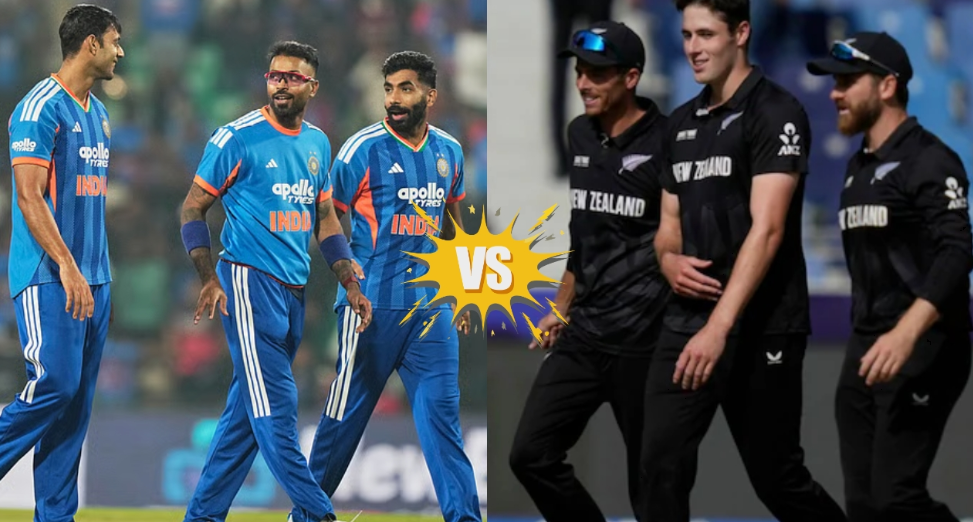
India National Cricket Team Vs New Zealand National Cricket Team Match Scorecard reflects one of international cricket’s most fascinating rivalries. Over the decades, both teams have produced memorable contests across Tests, One Day Internationals, and T20 Internationals. From early encounters that focused on patience and technique to modern high-pressure clashes in ICC tournaments, every meeting has added a new chapter to their cricketing journey. Legendary batters, world-class bowlers, and tactical captains have shaped the rivalry through match-winning performances. Fans from both nations eagerly follow each contest, making every scorecard an important record of cricket history and sporting excellence.
Latest Matches Table
| Tournament | Date | Venue | Winner | Margin | Top Batter | Top Bowler |
|---|---|---|---|---|---|---|
| T20 World Cup Final | 07-06-2026 | Ahmedabad | India | 96 runs | Sanju Samson | Jasprit Bumrah |
| T20 World Cup Super 8 | 02-06-2026 | Mumbai | India | 7 wickets | Devon Conway | Mitchell Santner |
| 3rd ODI Bilateral | 24-01-2026 | Auckland | New Zealand | 4 wickets | Rachin Ravindra | Lockie Ferguson |
| 2nd ODI Bilateral | 21-01-2026 | Hamilton | India | 42 runs | Shubman Gill | Kuldeep Yadav |
| 1st ODI Bilateral | 18-01-2026 | Wellington | India | 6 wickets | Virat Kohli | Mohammed Siraj |
| 3rd T20I Bilateral | 14-01-2026 | Auckland | New Zealand | 5 wickets | Glenn Phillips | Tim Southee |
Head-to-Head Summary Table
| Format | Total Matches | India Wins | New Zealand Wins | No Result | India Win % | New Zealand Win % |
|---|---|---|---|---|---|---|
| Test Matches | 62 | 22 | 14 | 26 | 35.48 | 22.58 |
| One Day Internationals | 119 | 61 | 51 | 7 | 51.26 | 42.85 |
| Twenty20 Internationals | 33 | 15 | 14 | 4 | 45.45 | 42.42 |
| ICC ODI World Cup | 11 | 4 | 6 | 1 | 36.36 | 54.54 |
| ICC T20 World Cup | 4 | 2 | 2 | 0 | 50.00 | 50.00 |
| World Test Championship | 5 | 1 | 4 | 0 | 20.00 | 80.00 |
Best Player Analysis Table
| Player Name | Country | Match Impact | Key Strength | Best Performance | Strike Rate | Economy Rate |
|---|---|---|---|---|---|---|
| Jasprit Bumrah | India | Match Winner | Death Bowling | 4 for 15 | 18.21 | 6.42 |
| Sanju Samson | India | Aggressive Opener | Power Hitting | 89 off 45 | 145.35 | 0.00 |
| Rachin Ravindra | New Zealand | All Rounder | Spin Technique | 123 not out | 112.14 | 5.12 |
| Mitchell Santner | New Zealand | Containing Spinner | Tight Lines | 4 for 32 | 92.45 | 4.85 |
| Shubman Gill | India | Anchor Batter | Timing Placement | 208 runs scored | 104.20 | 0.00 |
| Devon Conway | New Zealand | Wicketkeeper Batter | Cut Shots | 138 runs scored | 132.50 | 0.00 |
Top Run Scorers All-Time Table
| Batter Name | Country | Total Runs | Matches Played | Batting Average | Highest Score | Centuries Scored |
|---|---|---|---|---|---|---|
| Sachin Tendulkar | India | 1750 | 42 | 43.75 | 186 | 5 |
| Virat Kohli | India | 1520 | 35 | 47.50 | 154 | 4 |
| Ross Taylor | New Zealand | 1410 | 40 | 39.16 | 112 | 3 |
| Nathan Astle | New Zealand | 1207 | 29 | 43.11 | 120 | 4 |
| Rohit Sharma | India | 1180 | 32 | 38.06 | 147 | 2 |
| Kane Williamson | New Zealand | 1145 | 28 | 42.40 | 118 | 2 |
When Two Cricketing Worlds First Crossed Paths
The relationship between these two cricketing nations began with curiosity rather than hostility. One side brought flair, spin bowling, and growing confidence, while the other relied on discipline, patience, and adaptability. Their earliest meetings were shaped by long Test matches where every session mattered. Conditions often played a major role, with visiting teams struggling to adjust to unfamiliar pitches and weather. During these formative years, players focused on learning about each other’s strengths rather than building a fierce rivalry. Yet every contest added a new layer to the story. Batsmen learned how to counter unique bowling attacks, while captains experimented with field placements and match strategies. The scorecards from these encounters reflected closely fought sessions and valuable lessons. Fans gradually became invested as each series produced memorable moments and individual performances. Although the rivalry had not yet reached global prominence, these early matches laid the groundwork for future battles that would attract worldwide attention and become important chapters in cricket history.
| First Tour | Match Type | Venue Style | Key Strength | Result Trend |
|---|---|---|---|---|
| Early Era | Test | Traditional | Patience | Balanced |
| Overseas Visit | Test | Challenging | Adaptation | Learning Phase |
| Bilateral Series | Multi-Day | Variable | Technique | Competitive |
| Historic Clash | Test | Spin Friendly | Batting Skill | Close Contest |
| Foundation Stage | Test | Mixed Conditions | Team Growth | Even Battle |
Learning the Hard Way in the Early Decades
The first few decades were filled with challenges for both sides. Winning away from home remained difficult, and visiting teams often discovered that local knowledge could change the course of a match. Batters faced unfamiliar bowling styles while bowlers worked tirelessly to exploit conditions. Several contests appeared one-sided on paper, yet the scorecards often revealed long periods of resistance and determination. Captains focused on building strong foundations rather than chasing spectacular victories. These years also produced emerging stars who carried the expectations of their nations. Every series offered opportunities to develop confidence and refine strategies. Gradually, both teams became more comfortable facing one another, leading to increasingly competitive encounters. Fans witnessed dramatic collapses, resilient partnerships, and disciplined bowling displays that shaped perceptions of the rivalry. The lessons learned during these decades proved invaluable because they prepared both sides for a more balanced and exciting future.
| Era | Main Challenge | Batting Focus | Bowling Focus | Outcome |
|---|---|---|---|---|
| 1950s | Experience | Survival | Consistency | Development |
| 1960s | Overseas Tours | Technique | Accuracy | Improvement |
| 1970s | Conditions | Partnerships | Control | Progress |
| Early Battles | Adaptation | Patience | Discipline | Learning |
| Competitive Stage | Confidence | Stability | Pressure | Growth |
The Rise of Competitive Cricket Between India and New Zealand
As cricket evolved, contests between the two teams became far more competitive. Better preparation, improved fitness standards, and stronger domestic structures helped both sides narrow performance gaps. Matches were no longer defined solely by home advantage. Instead, individual brilliance often determined outcomes. Talented batters played match-changing innings, while bowlers developed plans specifically designed to challenge key opponents. Captains became more aggressive in their decision-making, introducing innovative tactics and field settings. Fans noticed a growing intensity whenever the teams met. Close finishes became more common, and every victory carried greater significance. Media coverage also expanded, highlighting player matchups and strategic battles. The scorecards from this period showcased higher totals, stronger bowling performances, and greater balance between bat and ball. What had once been a developing cricket relationship was transforming into a respected international rivalry that consistently delivered entertaining cricket.
| Development Area | Improvement | Impact | Team Benefit | Result |
|---|---|---|---|---|
| Fitness | Higher Standards | Better Endurance | Stronger Teams | Success |
| Coaching | Modern Methods | Skill Growth | Tactical Edge | Improvement |
| Batting | Aggressive Play | More Runs | Confidence | Momentum |
| Bowling | Better Planning | Wickets | Control | Victories |
| Leadership | Smart Decisions | Stability | Team Unity | Progress |
World Cup Encounters That Raised the Stakes
Global tournaments introduced a completely different level of pressure. Every match carried enormous expectations because a single result could influence an entire campaign. Supporters followed every ball with nervous anticipation, knowing that mistakes could prove costly. Players who performed consistently in bilateral cricket suddenly faced the challenge of succeeding on the biggest stage. Tactical planning became more detailed, with teams studying opposition strengths and weaknesses extensively. Several tournament meetings produced unforgettable moments, including crucial partnerships, match-winning spells, and dramatic turning points. The scorecards reflected the intensity of knockout-style cricket, where momentum could shift within a few overs. Fans celebrated memorable victories and endured painful defeats, creating emotional connections that strengthened the rivalry. These encounters helped transform regular competition into a globally recognized sporting contest.
| Tournament Stage | Pressure Level | Key Factor | Team Focus | Importance |
|---|---|---|---|---|
| Group Match | High | Consistency | Qualification | Major |
| Super Stage | Intense | Momentum | Advancement | Critical |
| Semi Final | Extreme | Execution | Victory | Historic |
| Knockout Game | Maximum | Nerves | Survival | Massive |
| Global Event | Elite | Performance | Success | Legacy |
The 1990s Era of New Heroes and Bigger Expectations
The 1990s brought fresh energy and new cricketing icons. Young stars emerged with the ability to change matches through individual brilliance. Batting became more adventurous, fielding standards improved, and teams embraced a more attacking mindset. Supporters expected victories rather than respectable performances, increasing pressure on players. Captains introduced modern tactics designed to seize momentum quickly. Several series during this period featured memorable innings and disciplined bowling efforts that influenced results. Media attention expanded significantly, making every encounter a major talking point. Scorecards regularly highlighted standout performances from players capable of shifting the balance of a contest. This decade also strengthened fan engagement, as television coverage allowed supporters to follow every moment closely. By the end of the decade, matches between the two sides carried greater importance and consistently attracted widespread interest.
| Feature | 1990s Change | Effect | Team Advantage | Legacy |
|---|---|---|---|---|
| Batting | More Aggressive | Faster Scoring | Pressure | Modern Era |
| Fielding | Improved | Saved Runs | Efficiency | Growth |
| Leadership | Bold Tactics | Better Results | Confidence | Success |
| Media | Wider Reach | Fan Interest | Popularity | Expansion |
| Competition | Closer Games | Excitement | Rivalry | Stronger |
A New Millennium and a Fiercer Contest
The arrival of the new millennium brought rapid change. Cricket became faster, strategies evolved, and players adapted to multiple formats. Teams were required to balance traditional techniques with modern attacking approaches. Encounters frequently featured explosive batting, innovative bowling variations, and dynamic fielding efforts. Captains relied heavily on data analysis and matchups to gain advantages. Fans witnessed increasingly dramatic contests where momentum shifted quickly. The scorecards reflected this transformation through higher scoring rates and more aggressive decision-making. Bilateral series gained greater significance as both sides aimed to establish dominance across formats. Individual performances often became defining moments, remembered long after the series ended. The rivalry entered a new phase where consistency, adaptability, and tactical awareness became essential ingredients for success.
| Format Growth | Key Change | Tactical Impact | Player Role | Outcome |
|---|---|---|---|---|
| Test Cricket | Adaptation | Balance | Specialists | Stability |
| ODI Cricket | Faster Play | Aggression | All-Rounders | Results |
| T20 Cricket | Innovation | Risk Taking | Finishers | Entertainment |
| Team Planning | Analysis | Precision | Flexibility | Improvement |
| Modern Era | Versatility | Strategy | Match Winners | Success |
The Champions Trophy and World Cup Showdowns
Major international tournaments continued to provide some of the most memorable chapters in the rivalry. Every meeting carried enormous significance because global titles were at stake. Teams prepared meticulously, studying conditions, opposition tactics, and player matchups. Fans experienced emotional highs and lows as fortunes changed rapidly during crucial moments. Several contests featured outstanding centuries, decisive bowling spells, and partnerships that altered tournament outcomes. Captains faced difficult decisions under pressure, knowing that one tactical move could influence an entire match. Scorecards from these events became reference points for future discussions because they captured defining performances on cricket’s biggest stages. The rivalry gained further respect through these encounters, demonstrating the ability of both teams to compete at elite international levels. Each tournament meeting added another memorable chapter to an already compelling cricket story.
| Event Type | Key Pressure | Match Factor | Team Goal | Historical Value |
|---|---|---|---|---|
| ICC Event | Global Spotlight | Execution | Trophy Hunt | High |
| Champions Trophy | Consistency | Momentum | Qualification | Significant |
| World Cup | Maximum Focus | Nerve Control | Victory | Historic |
| Big Match | Tactical Battle | Partnerships | Success | Memorable |
| Elite Stage | Intensity | Performance | Legacy | Lasting |
Conclusion
India National Cricket Team Vs New Zealand National Cricket Team Match Scorecard showcases a rivalry built on respect, competitiveness, and unforgettable moments. Through changing generations, both sides have delivered remarkable performances that continue to influence international cricket. Historic victories, dramatic finishes, and outstanding individual achievements have strengthened the significance of every encounter. Whether played in bilateral series or major ICC tournaments, these matches consistently attract global attention and passionate support. As new players emerge and fresh contests unfold, the rivalry continues to evolve while preserving the rich legacy created by previous generations of cricketers and unforgettable scorecards.
FAQs
Q1. When did India and New Zealand first play against each other in international cricket?
India and New Zealand first met in a Test match in 1955, marking the beginning of their international rivalry.
Q2. Which formats are included in their rivalry statistics?
Their rivalry includes Test matches, One Day Internationals, T20 Internationals, and ICC tournament encounters.
Q3. Why is this rivalry considered unique in world cricket?
The rivalry is known for competitive matches, tactical battles, sportsmanship, and memorable ICC tournament clashes.
Q4. Which ICC events have featured notable meetings between the two teams?
They have faced each other in Cricket World Cups, ICC Champions Trophy events, and the World Test Championship Final.
Q5. What makes match scorecards important in this rivalry?
Scorecards preserve key performances, partnerships, bowling figures, milestones, and decisive moments that define each contest.
