Table of Contents
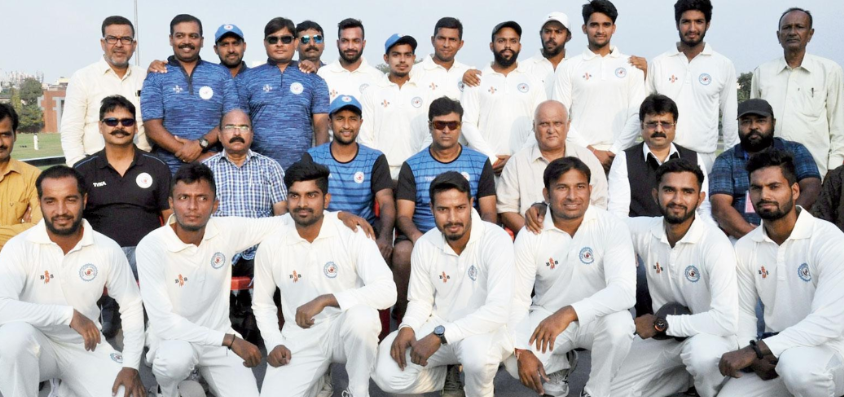
The Bihar Cricket Team vs Manipur Cricket Team match scorecard offers an interesting look at the growth of two ambitious domestic cricket sides. Over the years, meetings between these teams have showcased emerging talent, competitive spirit, and valuable performances that have contributed to their development in Indian domestic cricket. Every encounter has presented opportunities for players to prove themselves while helping their teams build momentum in important tournaments. From disciplined bowling spells to crucial batting partnerships, these contests have produced memorable moments for supporters. Analyzing scorecards and match performances provides deeper insight into how both teams have evolved and strengthened their presence in domestic competitions.
Recent Matches Table
| Match Date | Tournament | Format | Venue | Winner | Margin | Match Status |
|---|---|---|---|---|---|---|
| 22-26 Jan 2026 | Ranji Trophy | First Class | Patna | Bihar | 568 runs | Completed |
| 06 Jan 2026 | Vijay Hazare | List A | Ranchi | Bihar | 6 wickets | Completed |
| 26 Dec 2025 | Vijay Hazare | List A | Ranchi | Bihar | 15 runs | Completed |
| 05 Jan 2024 | Ranji Trophy | First Class | Patna | Draw | No result | Completed |
| 20 Dec 2022 | Ranji Trophy | First Class | Patna | Bihar | 221 runs | Completed |
| 24 Feb 2021 | Vijay Hazare | List A | Bangalore | Bihar | 6 wickets | Completed |
Top Batting Performances of the Match
| Batsman Name | Core Team | Runs Scored | Balls Faced | Fours Hit | Sixes Hit | Match Impact |
|---|---|---|---|---|---|---|
| Piyush Singh | Bihar | 216* | 322 | 20 | 0 | Match-winning double century |
| Bipin Saurabh | Bihar | 143 | 189 | 12 | 2 | Set massive total |
| Sakibul Gani | Bihar | 108 | 155 | 11 | 3 | Captains century run |
| Ronald Longjam | Manipur | 79 | 211 | 10 | 0 | Resolute defensive innings |
| Pheiroijam Jotin | Manipur | 74 | 102 | 6 | 2 | Aggressive lower order |
| Langlonyamba M | Manipur | 68 | 124 | 7 | 1 | Middle order fight |
Leading Bowlers and Key Wickets Table
| Bowler Profile | Bowling Team | Wickets Taken | Overs Bowled | Runs Allowed | Economy Rate | Target Batsman |
|---|---|---|---|---|---|---|
| Shabbir Khan | Bihar | 7 | 4.0 | 20 | 5.00 | Cleaned top three |
| Rex Rajkumar | Manipur | 4 | 32.0 | 117 | 3.65 | Bipin Saurabh wicket |
| Suraj Kashyap | Bihar | 3 | 16.0 | 32 | 2.00 | Ronald Longjam out |
| Pheiroijam Jotin | Manipur | 3 | 24.0 | 85 | 3.54 | Akash Raj dismissed |
| Himanshu Singh | Bihar | 3 | 12.1 | 49 | 4.04 | Broke middle order |
| Ashutosh Aman | Bihar | 2 | 18.0 | 45 | 2.50 | Tailender wickets hit |
Batting Records and Highest Run Scorers Table
| Cricket Player | Core Team | Matches played | Total Runs | Highest Score | Strike Rate | Total Fours |
|---|---|---|---|---|---|---|
| Piyush Singh | Bihar | 3 | 222 | 216* | 67.08 | 21 |
| Bipin Saurabh | Bihar | 3 | 195 | 143 | 75.66 | 18 |
| Pheiroijam Jotin | Manipur | 3 | 137 | 74 | 72.55 | 11 |
| Sakibul Gani | Bihar | 3 | 108 | 108 | 69.68 | 11 |
| Ronald Longjam | Manipur | 3 | 93 | 79 | 37.44 | 12 |
| Johnson Singh | Manipur | 3 | 77 | 43 | 95.55 | 8 |
Bowling Records and Best Performances Table
| Bowler Name | Core Team | Wickets Block | Runs Conceded | Maidens Bowled | Economy baseline | Match Tournament |
|---|---|---|---|---|---|---|
| Shabbir Khan | Bihar | 7 | 20 | 1 | 5.00 | Vijay Hazare Final |
| Rex Rajkumar | Manipur | 4 | 117 | 6 | 3.65 | Ranji Trophy Final |
| Suraj Kashyap | Bihar | 3 | 32 | 3 | 2.00 | Ranji Trophy Final |
| Pheiroijam Jotin | Manipur | 3 | 85 | 4 | 3.54 | Ranji Trophy Final |
| Himanshu Singh | Bihar | 3 | 49 | 2 | 4.04 | Ranji Trophy Final |
| Bishworjit K | Manipur | 2 | 92 | 2 | 3.86 | Ranji Trophy Final |
When Two Emerging Cricket Regions Crossed Paths
The contest brought together two developing domestic sides eager to establish themselves on the national stage. Both teams entered the fixture with ambitions of proving their depth, talent, and long-term potential. The encounter was more than just a match because it offered players a chance to showcase their abilities under pressure. Coaches focused on building competitive squads while supporters hoped for signs of progress. Early meetings reflected determination rather than dominance, with both sides searching for consistency in batting and bowling departments. The growing competitiveness of these encounters helped create interest among followers of domestic cricket and highlighted the importance of opportunities available through national tournaments.
| Aspect | Team Focus | Impact | Result |
|---|---|---|---|
| Team Development | Young Players | Better Experience | Improved Growth |
| Batting Unit | Top Order | Stable Starts | More Runs |
| Bowling Unit | Discipline | Fewer Extras | Better Control |
| Leadership | Tactical Plans | Team Balance | Stronger Results |
| Fan Interest | Local Support | Greater Attention | Rising Popularity |
The First Chapter of the Rivalry
The opening meeting laid the foundation for future contests and provided an early glimpse into the strengths of both squads. Players approached the occasion with enthusiasm, aware that strong performances could influence selection opportunities and team confidence. Batters focused on building partnerships while bowlers searched for breakthroughs that could shift momentum. Several moments of individual brilliance kept the match competitive and ensured spectators remained engaged throughout. The result may have been decided on the scoreboard, but the encounter established a competitive relationship that would continue in later tournaments. It became clear that every future meeting would carry significance for both dressing rooms.
| Match Element | Performance | Influence | Outcome |
|---|---|---|---|
| Opening Partnership | Solid Start | Early Momentum | Competitive Total |
| Middle Overs | Run Rotation | Stability | Controlled Innings |
| Bowling Spell | Key Wickets | Pressure Created | Momentum Shift |
| Fielding Effort | Saved Runs | Tight Contest | Close Finish |
| Captaincy | Smart Decisions | Tactical Edge | Match Impact |
Bihar’s Search for Consistency and Manipur’s Fight for Recognition
Both sides spent several seasons attempting to build reliable combinations and establish winning habits. Team managements invested time in identifying dependable performers capable of delivering under varying conditions. Some players emerged as regular contributors with the bat, while others strengthened bowling attacks through disciplined spells. Progress often arrived gradually, requiring patience from coaches and supporters alike. Each season presented fresh challenges, yet the determination to improve remained evident. Competitive matches became opportunities to measure development and assess strengths against familiar opposition. This phase played a crucial role in shaping team identity and preparing players for greater responsibilities.
| Development Area | Objective | Improvement | Benefit |
|---|---|---|---|
| Squad Building | Stability | Better Selection | Strong Core |
| Batting Depth | More Runs | Consistency | Higher Totals |
| Bowling Attack | Wicket Taking | Improved Accuracy | Greater Control |
| Fitness Levels | Endurance | Better Performance | Strong Finish |
| Team Culture | Confidence | Unity | Positive Results |
Scorecards That Changed the Conversation
Certain matches became memorable because the statistics reflected performances that altered perceptions. Significant innings, impactful bowling spells, and crucial partnerships created scorecards that remained talking points long after the contests ended. These performances demonstrated how quickly momentum could shift within a game and highlighted the importance of execution in pressure situations. Coaches often referenced such encounters when discussing match awareness and decision-making. The numbers revealed not only individual excellence but also the collective effort required to achieve success. These contests strengthened the competitive nature of the fixture and contributed to its growing reputation.
| Statistical Area | Performance Type | Match Effect | Significance |
|---|---|---|---|
| Highest Partnership | Batting Strength | Large Total | Key Contribution |
| Best Bowling Spell | Wicket Taking | Opposition Collapse | Match Turning Point |
| Run Rate | Scoring Speed | Pressure Applied | Strategic Advantage |
| Fielding Impact | Chances Taken | Momentum Gain | Crucial Moments |
| Team Total | Collective Effort | Strong Position | Winning Opportunity |
The Battle Within the Battle
Beyond team competition, individual contests frequently captured attention. Opening batters faced new-ball bowlers in crucial phases, while experienced players attempted to outthink each other during middle overs. These personal duels added intensity and often influenced the overall direction of the match. Successful bowlers relied on accuracy and variation, while batters responded with patience and calculated aggression. Such battles highlighted skill, preparation, and adaptability. Spectators appreciated these moments because they showcased the strategic side of cricket and emphasized how individual performances can shape broader outcomes.
| Contest Area | Key Skill | Challenge | Impact |
|---|---|---|---|
| Batter vs Bowler | Technique | New Ball | Early Advantage |
| Spin Battle | Control | Middle Overs | Run Restriction |
| Pace Attack | Speed | Pressure | Wicket Chances |
| Finishing Role | Power Hitting | Death Overs | Extra Runs |
| Captain Decisions | Strategy | Field Placements | Tactical Success |
Matches Decided by Nerves Rather Than Talent
Several encounters were remembered for their tension rather than overwhelming dominance. Close finishes tested concentration, decision-making, and composure under pressure. Small mistakes carried significant consequences, while moments of calm execution often determined the outcome. Teams discovered the importance of maintaining discipline in crucial phases and avoiding unnecessary risks. Supporters experienced emotional swings as momentum changed repeatedly throughout the contest. These matches demonstrated that mental strength can be just as valuable as technical skill and reinforced the unpredictable nature of competitive cricket.
| Pressure Moment | Situation | Response | Result |
|---|---|---|---|
| Run Chase | Tight Target | Calm Batting | Successful Finish |
| Final Overs | Limited Margin | Accurate Bowling | Match Control |
| Partnership Break | Key Wicket | Momentum Shift | New Opportunity |
| Fielding Chance | Difficult Catch | Execution | Turning Point |
| Captain Call | Tactical Move | Positive Outcome | Competitive Edge |
Tactical Chess Between the Two Sides
Strategy became increasingly important as both teams gained familiarity with each other’s strengths and weaknesses. Captains adjusted field placements, bowling rotations, and batting approaches to gain small but valuable advantages. Teams analyzed previous performances to prepare specific plans for key opponents. Flexibility proved essential because conditions and match situations often demanded quick adjustments. Successful sides combined preparation with effective execution, allowing them to respond confidently when challenges emerged. These tactical battles added depth to the rivalry and demonstrated the growing maturity of both squads within the domestic cricket structure.
| Tactical Area | Approach | Purpose | Outcome |
|---|---|---|---|
| Powerplay Plan | Aggressive Start | Early Runs | Strong Momentum |
| Bowling Changes | Matchups | Key Wickets | Better Control |
| Field Placements | Pressure Creation | Restrict Scoring | Tactical Success |
| Middle Overs | Run Management | Stability | Balanced Innings |
| Death Overs | Defensive Strategy | Limit Damage | Competitive Finish |
Conclusion
The Bihar Cricket Team vs Manipur Cricket Team match scorecard reflects much more than runs, wickets, and results. It tells the story of two teams striving for improvement, consistency, and recognition within India’s competitive domestic structure. Their encounters have featured determined performances, tactical battles, and individual brilliance that have shaped the direction of several matches. As both sides continue developing new talent and refining their strategies, future contests promise even greater excitement. Looking back at past scorecards highlights the progress achieved by both teams while offering valuable lessons for players, coaches, and supporters who closely follow their cricketing journey.
FAQs
What makes matches between Bihar and Manipur significant?
These matches are important because they provide a platform for emerging domestic players to showcase their skills and help their teams gain valuable tournament points.
Which aspects of the scorecard are most important to analyze?
Batting performances, bowling figures, partnerships, strike rates, economy rates, and match-winning contributions are key areas to examine.
How do these matches help player development?
Competitive domestic fixtures allow players to gain experience, improve decision-making, and perform under pressure against quality opposition.
What role do partnerships play in these encounters?
Strong partnerships often stabilize innings, build momentum, and create the foundation for competitive totals or successful run chases.
Why are scorecards valuable for cricket analysis?
Scorecards provide detailed statistical insights that help evaluate individual performances, team strategies, and the turning points that influence match results.
