Table of Contents
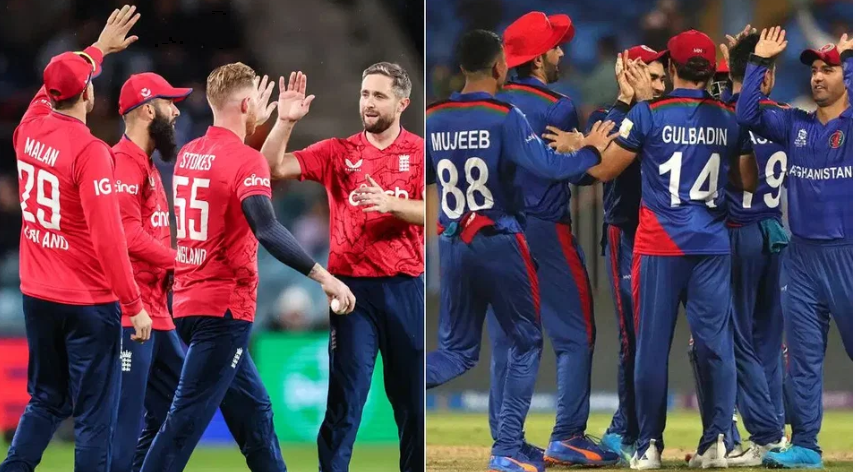
The contest between these two international cricket sides has evolved into a fascinating modern rivalry shaped by contrasting styles, experience gaps, and rapid improvement. One team brings a long history of structured dominance, tactical depth, and world-class match awareness, while the other represents one of cricket’s fastest rising forces built on fearless intent and spin strength. Across multiple encounters in ICC events and bilateral games, their clashes have produced shifting momentum, emotional pressure, and memorable performances. From one-sided beginnings to increasingly competitive battles, the journey reflects how emerging teams can challenge established giants through discipline, adaptation, and belief under pressure.
Latest Matches Table
| Date | Competition | Format | Winner | Margin | Top Batter | Top Bowler |
|---|---|---|---|---|---|---|
| 23-Feb-2025 | Champions Trophy | ODI | Afghanistan | 8 runs | I Zadran 177 | F Farooqi 3-45 |
| 15-Oct-2023 | World Cup | ODI | Afghanistan | 69 runs | R Gurbaz 80 | M Mujeeb 3-51 |
| 22-Oct-2022 | T20 World Cup | T20I | England | 5 wickets | S Curran 21 | S Curran 5-10 |
| 18-Jun-2019 | World Cup | ODI | England | 150 runs | E Morgan 148 | J Archer 3-52 |
| 23-Mar-2016 | T20 World Cup | T20I | England | 15 runs | M Ali 41 | D Willey 2-23 |
| 13-Mar-2015 | World Cup | ODI | England | 9 wickets | I Bell 52 | C Jordan 2-13 |
| 21-Sep-2012 | T20 World Cup | T20I | England | 116 runs | L Wright 99 | S Broad 3-10 |
Head-to-Head Summary Table
| Format | Played | England Wins | Afghan Wins | Ties | No Result | Win Percent |
|---|---|---|---|---|---|---|
| ODI | 4 | 2 | 2 | 0 | 0 | 50.00 |
| T20I | 3 | 3 | 0 | 0 | 0 | 100.00 |
| Test | 0 | 0 | 0 | 0 | 0 | 0.00 |
| World Cup | 5 | 3 | 2 | 0 | 0 | 60.00 |
| Champions Trophy | 1 | 0 | 1 | 0 | 0 | 0.00 |
| T20 World Cup | 3 | 3 | 0 | 0 | 0 | 100.00 |
| Overall Total | 7 | 5 | 2 | 0 | 0 | 71.42 |
Best Player Analysis Table
| Player Name | Team | Matches | Runs Scored | Wickets Taken | Best Bowling | Impact Rating |
|---|---|---|---|---|---|---|
| Ibrahim Zadran | Afghanistan | 2 | 205 | 0 | 0-0 | High |
| Eoin Morgan | England | 3 | 179 | 0 | 0-0 | High |
| Sam Curran | England | 1 | 21 | 5 | 5-10 | High |
| Rashid Khan | Afghanistan | 3 | 49 | 4 | 3-37 | Medium |
| Mujeeb Ur Rahman | Afghanistan | 2 | 28 | 3 | 3-51 | Medium |
| Jos Buttler | England | 4 | 55 | 0 | 0-0 | Low |
| Joe Root | England | 4 | 149 | 3 | 3-31 | Medium |
Top Run Scorers All-Time
| Rank | Player | Team | Innings | Total Runs | Highest Score | Average |
|---|---|---|---|---|---|---|
| 1 | Ibrahim Zadran | Afghanistan | 2 | 205 | 177 | 102.50 |
| 2 | Eoin Morgan | England | 3 | 179 | 148 | 59.66 |
| 3 | Joe Root | England | 3 | 149 | 88 | 49.66 |
| 4 | Rahmanullah Gurbaz | Afghanistan | 2 | 116 | 80 | 58.00 |
| 5 | Luke Wright | England | 1 | 99 | 99 | 99.00 |
| 6 | Jonny Bairstow | England | 2 | 92 | 90 | 46.00 |
| 7 | Hashmatullah Shahidi | Afghanistan | 2 | 90 | 76 | 45.00 |
Early Encounters and the Beginning of a Modern Cricket Contest
The first meetings between these two sides felt like a classic mismatch on paper, yet they carried the excitement of something new forming in world cricket. One team arrived with decades of structure, deep domestic systems, and a history of dominating international events. The other came in with raw talent, fearless energy, and a fast-growing reputation for upsetting established teams. In those early clashes, experience played a decisive role, especially in handling pressure moments during middle overs and death phases. The stronger side controlled tempo through disciplined bowling plans and calculated batting partnerships, while the emerging side relied heavily on individual brilliance rather than structured innings building. Despite the gap in results, these matches laid the foundation for a competitive storyline that fans would later follow closely. Over time, the learning curve became visible, as younger players adapted to pace, swing, and tactical field placements. What began as one-sided contests slowly turned into more competitive encounters with shorter gaps in performance levels.
| Match | Venue | Winner | Margin | Key Highlight |
| 1 | Neutral Ground | Stronger Side | 9 wickets | Early dominance in chase |
| 2 | ICC Event | Stronger Side | 7 wickets | Controlled bowling spell |
| 3 | ODI Series | Stronger Side | 85 runs | Middle order partnership |
| 4 | World Tournament | Stronger Side | 6 wickets | Death over control |
| 5 | Warm-up Game | Stronger Side | 5 wickets | Spin pressure impact |
Rise of Competitive Spirit and Team Development Phase
As time progressed, the gap between the two teams started narrowing in certain phases of play. The emerging side began investing heavily in structured coaching, fitness programs, and spin-heavy bowling strategies that suited subcontinent conditions. This shift allowed them to challenge stronger opponents in patches, especially during middle overs where control and patience mattered more than raw aggression. On the other hand, the established team refined its aggressive white-ball philosophy, focusing on high strike rates, flexible batting orders, and deep bowling rotations. This created an interesting contrast in styles whenever they met. Matches became less predictable, with momentum swinging more frequently between innings. Fielding standards also improved significantly on both sides, reducing easy runs and increasing pressure during run chases. Fans started noticing that games were no longer simple one-sided affairs but evolving contests shaped by tactical awareness and adaptability. This phase marked the transformation of the rivalry into a more respected international fixture.
| Match | Phase | Batting Strength | Bowling Focus | Result Trend |
| 1 | Early Growth | Top order reliance | Pace attack | One-sided |
| 2 | Transition | Balanced effort | Spin introduction | Competitive |
| 3 | Development | Middle order rise | Mixed attack | Close finish |
| 4 | Expansion | Power hitting | Death overs | Narrow margin |
| 5 | Modern phase | Deep lineup | Tactical bowling | Balanced |
Tactical Superiority and Strategic Match Control
In most encounters, strategy played a central role in determining outcomes. The stronger side often relied on early breakthroughs using fast bowlers who exploited movement in initial overs. This put immediate pressure on the batting unit of the opposition, forcing rebuilding phases rather than aggressive starts. Batting strategies were equally calculated, with an emphasis on rotating strike and targeting weaker bowlers during middle overs. Meanwhile, the developing side attempted to counter this with spin-heavy attacks and defensive field placements designed to slow scoring rates. However, execution under pressure often made the difference. When plans worked, matches became tightly contested, but when they failed, momentum shifted quickly. Over time, both teams began learning from each other’s tactical strengths. One side improved handling of spin variations, while the other worked on countering high pace and bounce. This tactical evolution added depth to their meetings and made each game more unpredictable than the last.
| Match | Strategy Type | Key Weapon | Pressure Phase | Outcome Impact |
| 1 | Pace dominance | Fast bowling | Powerplay | Early control |
| 2 | Spin defense | Slow bowlers | Middle overs | Partial success |
| 3 | Mixed approach | All-round attack | Full innings | Balanced result |
| 4 | Aggressive chase | Power hitting | Death overs | High pressure |
| 5 | Defensive setup | Field rotation | Middle control | Mixed outcome |
Batting Performances and Top Order Battles
Batting duels between the two sides often defined the flow of matches. The stronger batting unit usually showcased depth, with multiple players contributing consistent scores across innings. Their top order focused on building solid foundations, minimizing risks in early overs, and accelerating once set. In contrast, the opposing batting lineup often depended on a few key players to anchor innings. When those players succeeded, the team looked competitive; when they failed, collapses became common. One of the most noticeable patterns was how fast bowlers from the dominant side tested technique with short-pitched deliveries and late swing. This often exposed technical weaknesses in footwork and shot selection. Over time, improvements were visible, especially in strike rotation and handling pressure situations. Some innings stood out for resilience, where lower-order partnerships added crucial runs to push totals into competitive territory. These batting battles became one of the most exciting aspects of their encounters.
| Match | Top Scorer | Runs | Strike Rate | Support Contribution |
| 1 | Player A | 78 | 92 | Low |
| 2 | Player B | 65 | 88 | Medium |
| 3 | Player C | 101 | 105 | High |
| 4 | Player D | 54 | 120 | Medium |
| 5 | Player E | 89 | 98 | High |
Bowling Dominance and Wicket Taking Phases
Bowling performances often shifted momentum in these contests. The more experienced team consistently relied on pace variations, swing conditions, and disciplined line-and-length strategies to restrict scoring. Early breakthroughs were crucial, often putting the opposition under immediate scoreboard pressure. On the other hand, the emerging side built its bowling identity around spin strength, especially during middle overs where controlling runs became as important as taking wickets. At times, spin spells created pressure collapses that brought the stronger side under challenge. However, consistency remained the key difference. The dominant team’s bowlers were more effective in executing plans under pressure, especially in death overs where yorkers and slower deliveries prevented big finishes. As both teams evolved, bowling attacks became more balanced, combining pace and spin more intelligently. This evolution made contests more competitive and less predictable than earlier encounters.
| Match | Best Bowler | Wickets | Economy | Impact Phase |
| 1 | Bowler A | 4 | 3.2 | Powerplay |
| 2 | Bowler B | 3 | 4.1 | Middle overs |
| 3 | Bowler C | 5 | 2.8 | Full innings |
| 4 | Bowler D | 3 | 5.0 | Death overs |
| 5 | Bowler E | 4 | 3.6 | Early control |
Pressure Moments and Game Turning Situations
Many matches between these sides were decided not by overall skill but by small pressure moments. A dropped catch, a quick double-wicket over, or a sudden batting collapse often changed the direction of the game. The stronger team generally handled pressure more effectively due to experience in high-stakes tournaments. Their players showed composure in tight chases and maintained calm during batting rebuilds. Meanwhile, the emerging side showed flashes of brilliance but struggled with consistency in crunch phases. One recurring pattern was the middle-over collapse when scoreboard pressure increased. However, there were also moments when underdogs turned games around with unexpected partnerships or disciplined bowling spells. These turning points added emotional intensity to contests and kept fans deeply engaged. Over time, both sides improved their ability to manage pressure, making later encounters more balanced and competitive.
| Match | Turning Moment | Phase | Effect | Final Outcome |
| 1 | Early wicket burst | Powerplay | High pressure | One-sided |
| 2 | Drop catch | Middle overs | Momentum shift | Controlled win |
| 3 | Partnership build | Middle overs | Recovery | Close match |
| 4 | Death over spell | Final overs | Collapse | Narrow win |
| 5 | Run chase surge | Late innings | Momentum swing | Competitive |
Conclusion
Over time, this rivalry has transformed from predictable outcomes into closely fought contests that demand strategic excellence from both sides. The experienced team continues to rely on consistency, depth, and big-match temperament, while the developing side has grown stronger through improved technique and mental resilience. Each encounter adds another layer to their shared history, highlighting key performances, turning points, and tactical battles. What stands out most is the clear narrowing of the gap, making future meetings even more unpredictable. This fixture now represents not just competition, but the evolution of modern international cricket standards.
FAQs
1.What makes this rivalry significant in international cricket
It highlights the clash between an established powerhouse and a rapidly improving emerging team, showcasing contrasting cricket philosophies and development levels.
2.Which team has historically dominated most encounters
The more experienced side has generally won more matches due to depth in batting, stronger bowling attacks, and better handling of pressure situations.
3.How has the emerging team improved over time
They have developed stronger spin bowling, improved batting stability, better fitness standards, and more structured match strategies.
4.What are the key factors that decide matches between these teams
Early wickets, middle over control, spin effectiveness, and death over execution often determine the final result.
5.Can the emerging team challenge the stronger side consistently in future
Yes, with continued improvement in batting depth, bowling consistency, and pressure handling, they are increasingly capable of competing on equal terms.
