Table of Contents
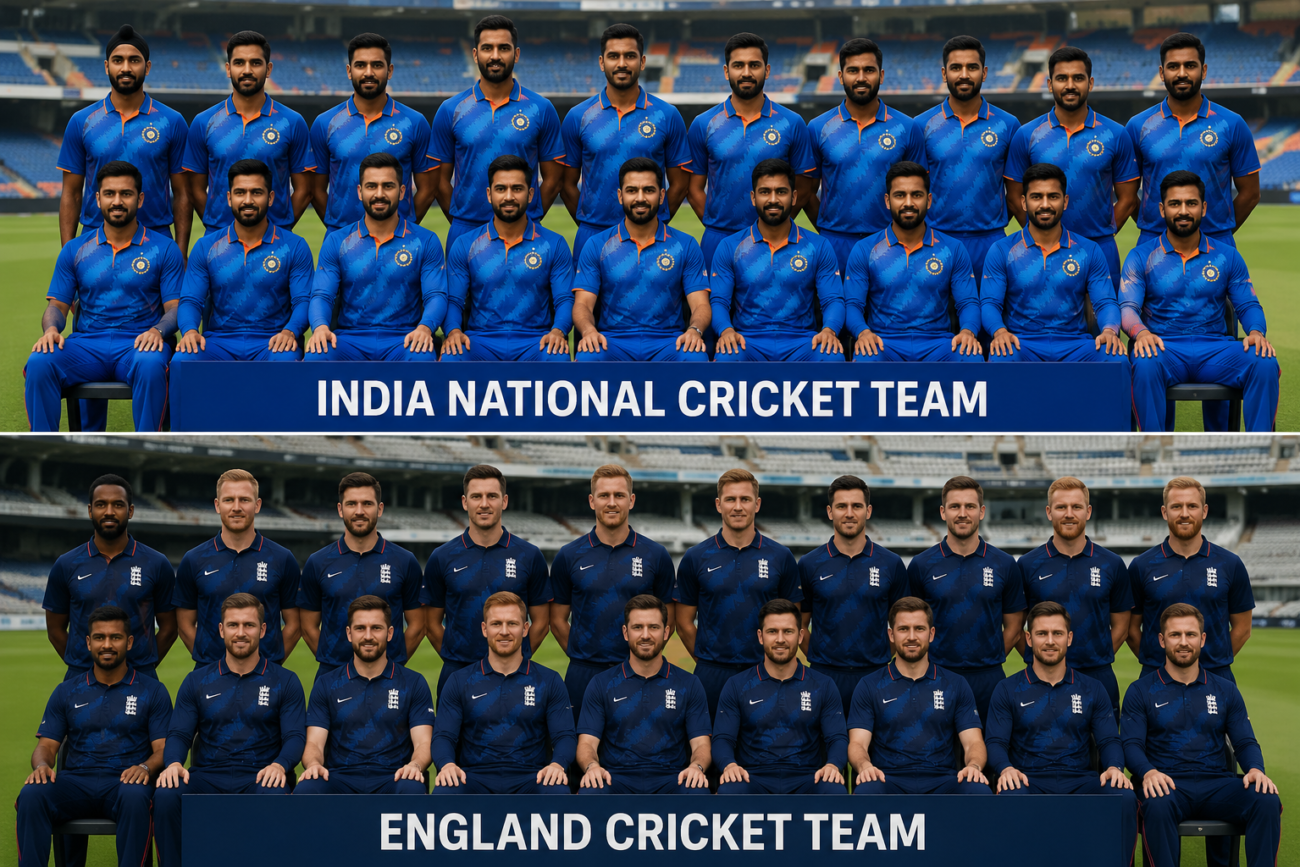
The India National Cricket Team Vs England Cricket Team Match Scorecard represents one of cricket’s most celebrated rivalries. Spanning decades of competition, this contest has produced unforgettable moments, legendary performances, and historic victories across Test, ODI, and T20 formats. From the early encounters that introduced India to international cricket to modern-day clashes featuring some of the world’s finest players, every match has added a new chapter to this remarkable story. Fans from both nations eagerly follow each series, creating an atmosphere filled with passion and excitement. The rivalry continues to evolve while maintaining its rich tradition and global significance.
Latest Matches Table
| Match Date | Format | Venue | First Innings Score | Second Innings Score | Match Winner | Victory Margin |
|---|---|---|---|---|---|---|
| 2026-03-05 | T20 | Wankhede Stadium | India 253-7 | England 246-7 | India | 7 runs |
| 2025-07-31 | Test | The Kia Oval | India 224 and 396 | England 247 and 367 | India | 6 runs |
| 2025-07-23 | Test | Old Trafford | England 669 | India 358 and 425-4 | Drawn | Match drawn |
| 2025-07-10 | Test | Lord’s Ground | England 387 and 192 | India 387 and 170 | England | 22 runs |
| 2025-07-02 | Test | Edgbaston Stadium | India 587 and 427-6d | England 407 and 271 | India | 336 runs |
| 2025-06-20 | Test | Headingley Ground | India 471 and 364 | England 465 and 373-5 | England | 5 wickets |
Head-to-Head Summary Table
| Cricket Format | Total Played | India Victories | England Victories | Tied Matches | Drawn Matches | No Result |
|---|---|---|---|---|---|---|
| Test Matches | 141 | 37 | 52 | 0 | 52 | 0 |
| One Day Matches | 107 | 58 | 44 | 2 | 0 | 3 |
| T20 Internationals | 24 | 13 | 11 | 0 | 0 | 0 |
| Combined Total | 272 | 108 | 107 | 2 | 52 | 3 |
| Matches in India | 128 | 62 | 41 | 1 | 22 | 2 |
| Matches in England | 144 | 46 | 66 | 1 | 30 | 1 |
Best Player Analysis Table
| Player Name | Core Speciality | Match Format | Runs Scored | Wickets Taken | Highest Performance | Strike Rate Economy |
|---|---|---|---|---|---|---|
| Sanju Samson | Wicketkeeper Batter | T20 International | 89 | 0 | 89 Runs | 211.90 |
| Jacob Bethell | All Rounder | T20 International | 105 | 0 | 105 Runs | 218.75 |
| Shubman Gill | Opening Batter | Test Matches | 412 | 0 | 119 Runs | 58.40 |
| Ben Stokes | All Rounder | Test Matches | 284 | 12 | 6 wickets | 3.12 |
| Jasprit Bumrah | Fast Bowler | One Day Matches | 12 | 18 | 6 wickets | 4.25 |
| Varun Chakaravarthy | Spin Bowler | T20 International | 0 | 8 | 4 wickets | 7.15 |
Top Run Scorers All-Time
| Batsman Name | National Team | Total Runs | Matches Played | Batting Average | Century Count | Half Century Count |
|---|---|---|---|---|---|---|
| Sachin Tendulkar | India | 2535 | 32 | 51.73 | 7 | 13 |
| Sunil Gavaskar | India | 2483 | 38 | 38.20 | 4 | 16 |
| Alastair Cook | England | 2431 | 30 | 47.66 | 7 | 9 |
| Virat Kohli | India | 1991 | 28 | 42.36 | 5 | 9 |
| Joe Root | England | 2846 | 32 | 58.08 | 10 | 11 |
| Gundappa Viswanath | India | 1880 | 30 | 37.60 | 4 | 11 |
When Cricket’s Birthplace Met Its Future Giant
The rivalry began as a meeting between cricket’s founding nation and a developing team eager to establish its place in international cricket. Early contests reflected differences in experience, resources, and playing conditions, but they also laid the foundation for one of the sport’s most respected rivalries. England entered these encounters with confidence and tradition, while India brought determination and a growing passion for the game. Each series added a new chapter as players adapted to unfamiliar pitches and conditions. Over time, mutual respect developed, transforming the contests into fiercely competitive battles. The growing popularity of cricket in both countries ensured that every meeting attracted attention from fans, media, and former players. What started as a learning journey eventually evolved into a rivalry defined by skill, resilience, and unforgettable performances.
| Era | Focus | Result | Impact |
| Early Tours | Experience Building | Competitive Learning | Foundation Created |
| Home Series | Tactical Growth | Improved Results | Confidence Increased |
| Overseas Matches | Adaptation | Stronger Performances | Rivalry Expanded |
| Major Tournaments | High Pressure | Memorable Games | Global Attention |
| Modern Era | Balanced Competition | Intense Battles | Historic Rivalry |
The First Battles That Defined the Relationship
The earliest contests shaped the direction of future meetings. England often controlled matches through disciplined batting and effective bowling, while India concentrated on developing consistency. Despite difficult results, valuable lessons emerged from each encounter. Young players gained exposure to elite competition, helping the team improve over time. These matches highlighted the importance of patience, technique, and tactical planning. As the years progressed, performances became increasingly competitive, narrowing the gap between the two sides. Supporters witnessed the gradual transformation from one-sided contests to closely fought battles. The experiences gathered during these formative years ultimately contributed to future success and helped establish a stronger cricketing identity.
| Match Period | Key Strength | Challenge | Outcome |
| Early Tests | Discipline | Inexperience | Learning Phase |
| Touring Games | Technique | Conditions | Development |
| Home Fixtures | Familiarity | Consistency | Improvement |
| Competitive Series | Team Growth | Pressure | Better Results |
| Historic Clashes | Determination | Strong Opponent | Rivalry Growth |
The Day India Announced Its Arrival on the World Stage
A defining moment arrived when strong performances began turning promise into achievement. Confidence increased as players delivered match-winning contributions under pressure. Batters produced memorable innings while bowlers demonstrated the ability to challenge established opponents. These victories were more than simple results; they signaled a shift in perception. Supporters celebrated the emergence of a team capable of competing with the best. International observers recognized growing depth and talent across the squad. Success inspired future generations and strengthened belief within the dressing room. Momentum generated during this period played a major role in shaping later achievements and elevating the rivalry to a new level.
| Factor | Contribution | Effect | Legacy |
| Strong Batting | Big Scores | Confidence | Lasting Influence |
| Effective Bowling | Key Wickets | Control | Competitive Edge |
| Team Unity | Better Execution | Success | Stability |
| Tactical Planning | Smart Decisions | Victories | Growth |
| Fan Support | Motivation | Energy | Strong Connection |
Gavaskar, Botham and the Rise of Competitive Fire
As legendary players emerged, the rivalry gained intensity and character. Individual performances became central talking points, with star players influencing results through skill and determination. Close contests generated excitement among supporters, while tactical battles added depth to every encounter. Captains experimented with strategies, bowlers searched for weaknesses, and batters responded with resilience. Competitive spirit increased without diminishing mutual respect. The presence of iconic cricketers elevated expectations and drew greater attention from global audiences. Their performances helped create lasting memories and ensured that every series carried significant importance.
| Element | Influence | Result | Importance |
| Star Players | Leadership | Inspiration | Greater Interest |
| Close Matches | Excitement | Drama | Fan Engagement |
| Tactical Battles | Innovation | Advantage | Higher Standards |
| Strong Performances | Momentum | Success | Rivalry Strength |
| Historic Moments | Recognition | Legacy | Lasting Impact |
Tendulkar’s Era and England’s Search for Answers
This period featured remarkable batting displays and increasingly sophisticated tactical contests. Defenses were tested by world-class stroke play, while bowlers developed detailed plans to contain leading batters. Every series introduced new challenges and opportunities. Consistency became a defining characteristic of elite performers, and spectators witnessed numerous memorable innings. The rivalry expanded beyond traditional contests as media coverage increased worldwide. Expectations rose for both teams, creating additional pressure during major matches. The combination of individual brilliance and collective effort produced several unforgettable cricketing moments.
| Area | Observation | Outcome | Significance |
| Batting Quality | Run Scoring | Strong Totals | Entertainment |
| Bowling Plans | Strategic Approach | Key Breakthroughs | Balance |
| Series Intensity | Competitive Cricket | Close Results | Popularity |
| Player Development | Experience | Better Performances | Progress |
| Global Interest | Wider Audience | Greater Coverage | Growth |
New Millennium, New Heroes, Bigger Stakes
The modern era introduced fresh talent, advanced preparation methods, and increased competition. Teams entered series with detailed analysis and clearly defined plans. Captains emphasized aggressive intent while maintaining strategic discipline. Fitness standards improved, allowing players to perform consistently across formats. Supporters followed every development through extensive media coverage, making each contest more significant. High-pressure situations produced dramatic finishes and memorable individual contributions. The rivalry continued evolving while preserving the traditions that made it special.
| Category | Development | Benefit | Result |
| Leadership | Strong Direction | Clarity | Success |
| Fitness | Better Preparation | Consistency | Improved Results |
| Strategy | Detailed Planning | Efficiency | Competitive Edge |
| Emerging Talent | New Energy | Depth | Strong Squads |
| Fan Engagement | Global Reach | Popularity | Larger Audience |
The Anderson Versus Kohli Chapter That Captured the Cricket World
One of the most fascinating periods of the rivalry centered on a compelling contest between elite batting and world-class fast bowling. Every meeting generated anticipation as techniques, adjustments, and mental strength were tested. Observers closely analyzed each duel, recognizing its influence on broader match outcomes. The battle symbolized the high standards associated with modern cricket. Supporters eagerly followed every session, understanding that small moments could change momentum. These encounters demonstrated how individual contests can shape entire series and contribute to the enduring appeal of a historic rivalry.
| Aspect | Focus | Effect | Legacy |
| Technical Skill | Precision | High Quality Cricket | Admiration |
| Mental Strength | Pressure Handling | Consistency | Respect |
| Tactical Changes | Adaptation | Competitive Balance | Learning |
| Fan Interest | Anticipation | Excitement | Global Attention |
| Historic Duels | Memorable Moments | Lasting Impact | Rivalry Heritage |
Conclusion
The India National Cricket Team Vs England Cricket Team Match Scorecard reflects far more than runs, wickets, and results. It tells the story of two proud cricketing nations that have challenged each other through different eras, conditions, and formats. Generations of players have contributed memorable performances that continue to inspire fans around the world. From historic Test battles to thrilling limited-overs encounters, the rivalry remains one of the sport’s most respected contests. As new stars emerge and fresh chapters are written, the competitive spirit, tradition, and excitement surrounding these matches ensure that this legendary cricket rivalry will continue for many years.
FAQs
Q1. When did India and England play their first official cricket match?
India and England played their first official Test match in 1932 at Lord’s in London.
Q2. Which format has produced the most memorable matches between the two teams?
Test cricket is widely regarded as the format that has delivered the most historic and memorable contests.
Q3. Who are some legendary players associated with this rivalry?
Sachin Tendulkar, Sunil Gavaskar, Kapil Dev, Virat Kohli, James Anderson, Joe Root, Ian Botham, and Ben Stokes are among the most notable names.
Q4. Why is this rivalry important in world cricket?
It combines a rich history, competitive matches, passionate fan bases, and numerous record-breaking performances across generations.
Q5. What makes the match scorecards between these teams special?
The scorecards often highlight historic centuries, match-winning spells, record partnerships, and defining moments that have shaped cricket history.
