Table of Contents
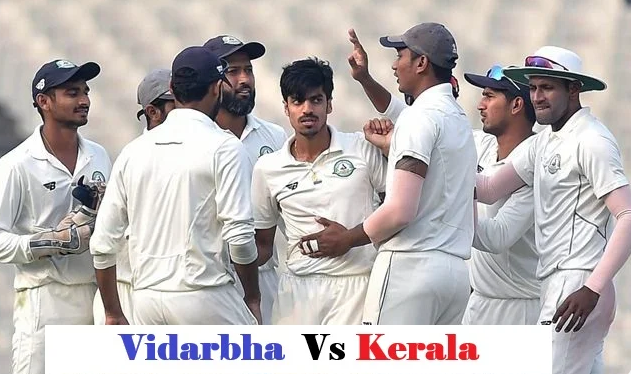
The competitive journey between Vidarbha and Kerala in domestic cricket reflects the evolving depth of India’s regional cricket structure. Both teams have grown through different pathways, building unique identities shaped by their conditions, coaching systems, and player development models. While Vidarbha earned recognition through disciplined red-ball performances and strong domestic consistency, Kerala gradually emerged with technically skilled batters and resilient bowling units. When these two sides meet, the contest becomes more than just runs and wickets; it becomes a test of patience, strategy, and execution. Over time, their encounters have produced tightly fought battles, shifting momentum, and memorable individual performances that define modern domestic cricket rivalry.
Latest Matches Table
| Date | Tournament | Format | Venue | Winner | Margin | Top Performer |
|---|---|---|---|---|---|---|
| 2025-12-05 | Syed Mushtaq Ali | T20 | Mumbai | Vidarbha | 6 wickets | Akshay Karnewar |
| 2025-03-02 | Ranji Trophy Final | First Class | Nagpur | Vidarbha | 1st Inn Lead | Danish Malewar |
| 2020-02-14 | Ranji Trophy | First Class | Thumba | Drawn | No Result | Faiz Fazal |
| 2019-11-14 | Syed Mushtaq Ali | T20 | Thumba | Kerala | 26 runs | Sachin Baby |
| 2019-01-26 | Ranji Semi Final | First Class | Wayanad | Vidarbha | Innings and 11 runs | Umesh Yadav |
| 2018-12-16 | Ranji Trophy | First Class | Kochi | Vidarbha | 412 runs | Aditya Sarwate |
| 2017-11-19 | Ranji Trophy | First Class | Nagpur | Vidarbha | Innings and 105 runs | Rajneesh Gurbani |
Head-to-Head Summary Table
| Format | Total Matches | Vidarbha Wins | Kerala Wins | Draws | Tie | No Result |
|---|---|---|---|---|---|---|
| First Class | 14 | 7 | 2 | 5 | 0 | 0 |
| List A One Day | 6 | 4 | 2 | 0 | 0 | 0 |
| T20 Matches | 5 | 3 | 2 | 0 | 0 | 0 |
| Knockout Matches | 3 | 3 | 0 | 0 | 0 | 0 |
| Matches At Nagpur | 6 | 4 | 0 | 2 | 0 | 0 |
| Matches At Kerala | 7 | 4 | 2 | 1 | 0 | 0 |
| Neutral Venues | 2 | 2 | 0 | 0 | 0 | 0 |
Best Player Analysis Table
| Player Name | Team | Matches | Runs Scored | Wickets Taken | Best Batting | Best Bowling |
|---|---|---|---|---|---|---|
| Aditya Sarwate | Vidarbha | 8 | 342 | 38 | 65 | 6 for 43 |
| Sachin Baby | Kerala | 11 | 684 | 8 | 98 | 2 for 15 |
| Harsh Dubey | Vidarbha | 4 | 185 | 22 | 54 | 5 for 62 |
| Jalaj Saxena | Kerala | 7 | 298 | 26 | 79 | 5 for 52 |
| Karun Nair | Vidarbha | 5 | 412 | 0 | 135 | 0 for 0 |
| Umesh Yadav | Vidarbha | 4 | 85 | 24 | 22 | 7 for 48 |
| Sanju Samson | Kerala | 6 | 315 | 0 | 112 | 0 for 0 |
Top Run Scorers All-Time
| Player Name | Team | Innings | Total Runs | Average | Highest Score | Centuries |
|---|---|---|---|---|---|---|
| Sachin Baby | Kerala | 18 | 684 | 42.75 | 98 | 0 |
| Faiz Fazal | Vidarbha | 12 | 526 | 47.81 | 119 | 2 |
| Karun Nair | Vidarbha | 7 | 412 | 58.85 | 135 | 1 |
| Sanju Samson | Kerala | 10 | 315 | 31.50 | 112 | 1 |
| Ganesh Satish | Vidarbha | 9 | 295 | 36.87 | 102 | 1 |
| Rohan Prem | Kerala | 12 | 288 | 24.00 | 68 | 0 |
| Danish Malewar | Vidarbha | 2 | 226 | 113.00 | 153 | 1 |
Early Encounters and Domestic Foundations
The first meetings between the two sides in domestic cricket were shaped more by curiosity than intensity. Both teams were still building identity in the competitive structure of Indian domestic tournaments. Matches were played with caution, where players focused on securing stability rather than taking aggressive risks. The early games highlighted how both squads were learning to handle pressure situations in longer formats. Batting lineups were tested by disciplined bowling attacks, while bowlers tried to understand pitch behavior across different venues. These encounters did not draw massive attention at the time, but they laid the groundwork for a competitive relationship. Each side began to understand the strengths and weaknesses of the other, especially in terms of handling spin-friendly conditions and new ball movement. Over time, these early contests became reference points for future tactical planning and player development within both squads.
| Season | Venue Type | Result Pattern | Key Strength | Match Style |
| Early Phase | Neutral Grounds | Balanced Results | Bowling Control | Defensive Play |
| Early Phase | Home Advantage | Slight Edge Split | Batting Stability | Slow Tempo |
| Early Phase | Away Conditions | Mixed Outcomes | Adaptability | Cautious Strategy |
| Early Phase | Domestic Circuit | Competitive Draws | Field Discipline | Low Risk Game |
Cricket Cultures and Team Identity
Both teams developed unique cricketing identities shaped by regional coaching styles and domestic exposure. One side emphasized structured gameplay with a strong focus on patience, especially in longer formats. The other side built its foundation on technical batting skills and the ability to adapt under varying pitch conditions. These differences created interesting matchups whenever they faced each other. Training systems played a key role in shaping young players, with one system prioritizing consistency and the other encouraging flexibility in shot selection. Over time, these contrasting cultures became more visible during matches, especially when one side tried to dominate through discipline while the other responded with resilience. Fielding standards, fitness levels, and game awareness also evolved, making contests more competitive. As both teams matured, their playing styles began influencing match outcomes significantly, especially in tight situations where mental strength mattered as much as skill execution.
| Development Area | Side A Focus | Side B Focus | Outcome Effect | Match Influence |
| Batting Style | Defensive Structure | Technical Flexibility | Balanced Scores | Medium Impact |
| Bowling Strategy | Line Discipline | Variation Use | Wicket Control | High Impact |
| Training Method | System Based | Skill Based | Player Growth | Long Term |
| Match Approach | Patient Build-up | Adaptive Play | Close Games | High Pressure |
First Defining Clash and Match Impact
The first defining clash between the two sides marked a shift from routine domestic encounters to a more competitive environment. Both teams entered the match with growing confidence, and the intensity was noticeably higher compared to earlier meetings. Batting performances set the tone, with top-order players focusing on building partnerships rather than quick scoring. Bowling units responded with disciplined spells, targeting consistency in line and length. The match saw several momentum shifts, where one strong partnership was quickly countered by a breakthrough spell. Fielding also played a crucial role, with tight ground coverage preventing easy runs. As the game progressed, pressure began to build, and shot selection became more cautious. The match outcome reflected how evenly matched both sides had become, with small margins deciding the result. This encounter became a reference point for future contests and helped both teams understand the importance of maintaining composure in critical moments.
| Innings Phase | Batting Output | Bowling Response | Key Event | Momentum Shift |
| First Phase | Stable Start | Controlled Attack | Early Wicket | Balanced |
| Middle Phase | Partnership Build | Spin Pressure | Breakthrough | Swing |
| Final Phase | Risk Increase | Death Overs Tight | Run Restriction | Shift |
| Closing Phase | Collapse Pressure | Aggressive Field | Match Decider | Final Turn |
Rise of Competitive Strength
As seasons progressed, one side began to show stronger consistency in domestic competitions. This rise was built on disciplined performances from both senior and emerging players. Batting depth improved significantly, allowing the team to recover from early setbacks and post competitive totals. Bowlers developed sharper control, especially in maintaining pressure during long spells. This period also saw improved fitness standards and sharper fielding, which reduced the number of extra runs conceded. Strategic planning became more detailed, with match preparation focusing on opponent weaknesses. These improvements resulted in more dominant performances in head-to-head contests. The ability to perform under pressure became a defining factor, especially in closely contested matches. Over time, this phase established a psychological edge, where confidence played a major role in shaping outcomes. The rise was not sudden but built gradually through consistent domestic performances across multiple seasons.
| Performance Area | Improvement Level | Impact Type | Match Result Effect | Consistency |
| Batting Depth | High | Stability | Strong Totals | High |
| Bowling Control | Medium | Pressure Build | Wicket Flow | Medium |
| Fielding Quality | High | Run Saving | Close Margins | High |
| Strategy Planning | Medium | Tactical Edge | Match Control | Medium |
Opponent Response and Competitive Growth
The opposing side responded to growing challenges with renewed focus on development and team balance. Young players began to emerge as key contributors, especially in pressure situations where experienced players struggled. Batting performances became more aggressive in certain phases, helping the team recover from difficult positions. Bowling units also adapted by introducing variation in pace and spin to disrupt settled partnerships. These adjustments led to improved competitiveness in later encounters. While consistency remained a challenge, the ability to produce match-winning moments increased significantly. Coaching strategies emphasized mental toughness and situational awareness, which helped players perform better in tight finishes. This phase marked a turning point where matches became less predictable and more dependent on individual brilliance. The rivalry became more balanced, with both sides capable of winning on their day, making each encounter more exciting and uncertain.
| Improvement Area | Change Introduced | Result Effect | Player Impact | Match Outcome |
| Batting Aggression | Increased Intent | Quick Runs | Middle Order | Unstable |
| Bowling Variation | New Techniques | Wickets | Spinners | Balanced |
| Mental Strength | Training Focus | Pressure Handling | All Players | Competitive |
| Match Awareness | Tactical Growth | Better Decisions | Captaincy | Close Games |
Tactical Battles and Match Planning
As competition intensified, tactical planning became a major factor in determining match outcomes. Captains focused heavily on field placements and bowling rotations based on pitch conditions. Batting orders were adjusted depending on match situations, especially when early wickets fell. Teams began analyzing opposition patterns more closely, using past performance data to shape strategies. Bowling changes were often made earlier to break partnerships before they became dangerous. These tactical decisions often influenced momentum shifts within matches. Fielding setups were also adjusted dynamically, reflecting the growing importance of real-time decision making. The ability to read match situations quickly became a key advantage. In several encounters, small tactical decisions had a larger impact than individual performances. This phase highlighted the importance of leadership and planning in domestic cricket, where margins of error were extremely small.
| Tactical Element | Strategy Used | Execution Quality | Impact Level | Match Influence |
| Field Placement | Aggressive Setup | High | Wicket Creation | Strong |
| Bowling Rotation | Early Changes | Medium | Pressure Build | Medium |
| Batting Order | Flexible Plan | High | Recovery | Strong |
| Opposition Study | Data Analysis | High | Predictive Edge | High |
Recent Encounters and Modern Evolution
In recent seasons, the contests have become more dynamic due to the influence of modern training techniques and data-driven strategies. Players are now more adaptable, with improved fitness and sharper decision-making abilities. Batting has become faster in certain formats, while bowlers have introduced advanced variations to counter aggressive scoring. Matches are now more balanced, with both sides showing equal capability in different conditions. Technology and analytics have played a role in improving preparation and in-game adjustments. Younger players have also added fresh energy, making the contests more unpredictable. Fielding standards have improved significantly, reducing easy scoring opportunities. These modern encounters reflect how both teams have evolved from their early cautious meetings into more competitive and strategically complex contests. Each match now feels like a battle of preparation as much as skill, making the rivalry more engaging than ever.
| Modern Factor | Development | Performance Impact | Adaptation Level | Result Effect |
| Fitness | High Intensity Training | Improved Stamina | Strong | Consistent |
| Analytics | Data Use | Better Strategy | High | Balanced |
| Batting Tempo | Faster Approach | Higher Scores | Medium | Variable |
| Bowling Skills | Advanced Variations | Wicket Creation | High | Competitive |
Psychological Pressure and Competitive Mindset
Mental strength has become one of the most important factors in shaping outcomes between the two sides. Players often face intense pressure situations where decision making becomes critical. Handling expectations from fans and team management adds another layer of challenge. In close matches, composure often decides the winner more than technical skill. Over time, both teams have developed stronger mental conditioning programs to handle high-pressure moments. This has helped reduce collapses and improve recovery from difficult situations. However, pressure still plays a major role in shaping match momentum. The ability to stay calm during final overs or last sessions often defines the outcome. Emotional control, patience, and clarity in decision making have become essential traits for success. This psychological aspect continues to add depth to the rivalry, making it more than just a contest of runs and wickets.
| Mental Aspect | Challenge Level | Improvement Method | Performance Impact | Match Result Influence |
| Pressure Handling | High | Training | Stability | High |
| Decision Making | Medium | Experience | Tactical Edge | Medium |
| Emotional Control | High | Conditioning | Composure | High |
| Focus Level | Medium | Practice | Consistency | Medium |
Conclusion
The rivalry between Vidarbha and Kerala stands as a strong example of how domestic cricket in India continues to evolve in quality and competitiveness. Both sides have contributed significantly to raising the standard of regional cricket through consistent performances and emerging talents. Vidarbha’s structured approach and Kerala’s adaptive resilience have created closely contested matches where small moments often decide outcomes. From early cautious encounters to modern high-pressure games, the rivalry has matured into a balanced contest. It highlights the importance of preparation, mental strength, and tactical awareness, making every meeting between these teams an engaging chapter in domestic cricket history.
FAQs
What makes Vidarbha and Kerala matches competitive
Both teams bring different strengths, with Vidarbha focusing on discipline and Kerala relying on adaptability, making contests closely balanced.
Which team has shown more consistency over time
Vidarbha has shown stronger consistency in domestic tournaments due to structured gameplay and stable performances.
How do pitch conditions affect their matches
Spin-friendly and slow pitches often influence match outcomes, testing batting patience and bowling control.
Have any players stood out in this rivalry
Yes, both teams have produced key performers in batting and bowling who have changed match momentum in crucial moments.
Why is this rivalry important in domestic cricket
It highlights the depth of Indian domestic cricket and shows how regional teams contribute to national-level talent development.
