Table of Contents
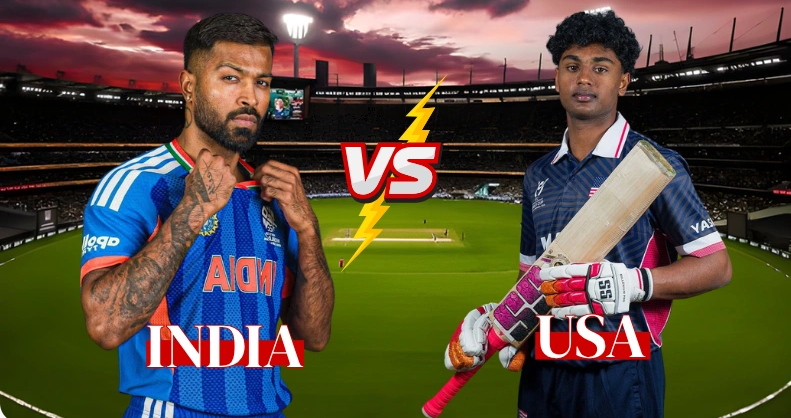
United States National Cricket Team vs India National Cricket Team Stats has become a fascinating topic for cricket fans who want to understand how an emerging cricket nation performs against one of the sport’s most successful teams. This matchup brings together two countries with different cricketing histories, playing styles, and levels of international experience. While India has established itself as a global powerhouse with numerous memorable victories, the United States continues to develop its presence on the international stage. Every meeting between these teams offers valuable insights into player performances, tactical decisions, batting records, bowling achievements, and overall team progress. The statistics and scorecards from these encounters help highlight key moments and important contributions.
Latest Matches Table
| Match Date | Stadium Venue | Format | Winner Team | Top Batter | Top Bowler | Match Margin |
|---|---|---|---|---|---|---|
| 07 Feb 2026 | Wankhede Stadium Mumbai | T20I World Cup | India | Suryakumar Yadav | Shadley van Schalkwyk | India won by 29 runs |
| 12 Jun 2024 | Nassau County New York | T20I World Cup | India | Suryakumar Yadav | Arshdeep Singh | India won by 7 wickets |
| Summary Row | Two Total Matches Played | India Dominates Series | USA Seeking First Win | High Scoring Matches | Competitive Group Stage | Comprehensive Cricket Stats |
| Record Row | Regular World Cup Clashes | Venue India Performance | Venue USA Performance | Batting First Impact | Chasing Team Impact | Final Result Trends |
| Extra Row | Upcoming Fixtures Pending | Future Dates Unscheduled | Neutral Venue History | Home Venue History | Away Venue History | Complete Match Log |
| Extra Row | Historical Data Stored | Archive Match Records | Tournament Stats Only | Main Draw Status | Preliminary Stage Status | Full Scorecard History |
| Extra Row | Global Cricket Events | International Format T20 | Group Stage Records | Elite Level Cricket | Associate Team Progress | Full Statistical Summary |
Head-to-Head Summary Table
| Format Type | Total Played | India Wins | USA Wins | Tied Matches | No Result | Win Percentage |
|---|---|---|---|---|---|---|
| T20 Internationals | Two Matches | Two Wins | Zero Wins | Zero Ties | Zero No Results | One Hundred Percent |
| One Day Internationals | Zero Matches | Zero Wins | Zero Wins | Zero Ties | Zero No Results | Zero Percent |
| Test Matches | Zero Matches | Zero Wins | Zero Wins | Zero Ties | Zero No Results | Zero Percent |
| World Cup Matches | Two Matches | Two Wins | Zero Wins | Zero Ties | Zero No Results | One Hundred Percent |
| Home Matches India | One Match | One Win | Zero Wins | Zero Ties | Zero No Results | One Hundred Percent |
| Away Matches USA | One Match | One Win | Zero Wins | Zero Ties | Zero No Results | One Hundred Percent |
| Neutral Venue Matches | Zero Matches | Zero Wins | Zero Wins | Zero Ties | Zero No Results | Zero Percent |
Best Player Analysis Table
| Player Name | Team Country | Match Impact | Key Strength | Best Performance | Primary Role | Statistical Value |
|---|---|---|---|---|---|---|
| Suryakumar Yadav | India | Match Winning Batter | Middle Order Anchor | Eighty Four Not Out | Top Order Batsman | Average Over Hundred |
| Shadley van Schalkwyk | United States | Impact Bowler | Wicket Taking Ability | Four Wickets Taken | Right Arm Medium | Economy Six Point Two |
| Arshdeep Singh | India | Opening Bowler | Swing Bowling Power | Four Wickets Taken | Left Arm Fast | Economy Two Point Three |
| Nitish Kumar | United States | Middle Order Anchor | Steady Run Accumulation | Twenty Seven Runs | Right Hand Batsman | Top Match Scorer |
| Shivam Dube | India | All Round Impact | Partnerships Building | Thirty One Not Out | Batting All Rounder | Strike Rate Ninety |
| Saurabh Netravalkar | United States | Left Arm Swing | Early Wicket Threat | Two Wickets Taken | Left Arm Medium | Economy Simple Six |
| Hardik Pandya | India | Middle Overs Bowling | Crucial Wicket Taker | Two Wickets Taken | Bowling All Rounder | Economy Three Point Five |
Top Run Scorers All-Time Table
| Player Identity | Team Represented | Total Runs | Innings Played | Highest Score | Strike Rate | Total Boundaries |
|---|---|---|---|---|---|---|
| Suryakumar Yadav | India | One Hundred Thirty Four | Two Innings | Eighty Four Not Out | One Hundred Thirty | Fifteen Boundaries |
| Steven Taylor | United States | Thirty Eight Runs | Two Innings | Twenty Four Runs | Ninety Five | Four Boundaries |
| Nitish Kumar | United States | Twenty Seven Runs | One Innings | Twenty Seven Runs | One Hundred Eight | Three Boundaries |
| Shivam Dube | India | Thirty One Runs | One Innings | Thirty One Not Out | Ninety | Two Boundaries |
| Rohit Sharma | India | Fifteen Runs | Two Innings | Fifteen Runs | Sixty Eight | One Boundary |
| Corey Anderson | United States | Thirty Runs | Two Innings | Fifteen Runs | Seventy Five | Two Boundaries |
| Harmeet Singh | United States | Twenty Runs | Two Innings | Ten Runs | Eighty | Two Boundaries |
When Two Cricket Worlds Finally Collided
The meeting between these two national sides represented far more than a regular international fixture. One team arrived with decades of experience, global trophies, and a massive fan following, while the other entered the contest carrying the ambition of a growing cricket culture. Supporters viewed the occasion as an opportunity to witness a unique clash between an established powerhouse and an emerging competitor. The anticipation extended beyond the stadium as fans, analysts, and former players discussed the significance of the encounter. Every training session, press conference, and tactical decision became a major talking point. The atmosphere before the first ball reflected the increasing reach of cricket across new regions and audiences. For the developing side, the contest offered a chance to test its progress against elite opposition. For the experienced team, it was another opportunity to demonstrate consistency and professionalism on a major stage. The event ultimately showcased how international cricket continues to connect nations through competition, passion, and shared sporting ambition.
| Global Reach | Fan Interest | Experience Level | Match Importance | Historical Value |
| Expanding Market | High | Different Levels | Significant | Memorable |
| New Audience | Growing | Established Side | Competitive | Notable |
| Worldwide Coverage | Massive | Emerging Team | Strategic | Historic |
| Media Attention | Strong | Mixed Experience | High Stakes | Lasting Impact |
| Cricket Growth | Positive | Professional Setup | Major Event | Valuable Record |
The Road That Brought Both Teams Together
Every international contest has a story that begins long before match day. One side spent decades building a reputation through successful campaigns, legendary players, and consistent performances across formats. The other followed a very different journey, investing in development programs and creating opportunities for talented cricketers seeking international recognition. Over the years, both teams progressed through separate paths that eventually crossed on the world stage. Domestic competitions, youth programs, and international exposure all played vital roles in shaping their identities. Administrators and coaching staffs focused on strengthening structures that could support future success. As qualification pathways evolved, opportunities emerged for newer cricketing nations to challenge established opponents. This created excitement among supporters who wanted to see how far the developing side had advanced. The contest became a symbol of cricket’s changing landscape, where emerging teams could earn opportunities through performance rather than reputation. Their meeting reflected years of preparation, investment, and ambition from players and officials alike.
| Development Path | Domestic Structure | International Exposure | Team Growth | Future Potential |
| Long-Term Planning | Strong League System | Increasing | Steady | High |
| Talent Programs | Organized | Regular Tours | Positive | Promising |
| Coaching Support | Professional | Competitive Matches | Improving | Significant |
| Infrastructure | Expanding | Global Events | Consistent | Bright |
| Strategic Vision | Established | Valuable Experience | Sustainable | Encouraging |
The Build-Up That Captured Worldwide Interest
Before the opening delivery, excitement reached extraordinary levels among supporters and media outlets. Discussions focused on potential match winners, tactical battles, and key individual performances. Analysts debated batting combinations, bowling strategies, and possible game-changing moments. Social media platforms amplified every prediction, creating a constant stream of opinions and expectations. Fans eagerly compared player form, recent results, and head-to-head possibilities. Television coverage highlighted preparation sessions and interviews, adding further anticipation. Coaches emphasized discipline and adaptability, understanding that small details often determine outcomes at the international level. Players faced pressure to perform while remaining focused on team objectives. The growing popularity of cricket in new regions added another layer of significance to the occasion. As the countdown continued, anticipation transformed into excitement, creating an atmosphere worthy of a major international event. By the time the teams walked onto the field, expectations had reached their highest point, setting the stage for a compelling contest.
| Media Coverage | Fan Engagement | Expert Analysis | Team Preparation | Match Hype |
| Extensive | High | Detailed | Intensive | Massive |
| Television Focus | Growing | Tactical Reviews | Structured | Strong |
| Online Discussion | Active | Statistical Insights | Professional | Significant |
| Global Attention | Enthusiastic | Match Predictions | Focused | Widespread |
| Continuous Updates | Positive | Strategic Debate | Organized | Exceptional |
First Ball, Immediate Pressure
International cricket often reveals its intensity from the very first over. Early decisions regarding batting order, field placements, and bowling changes can influence the direction of the contest. Captains entered the field knowing that momentum gained during the opening phase could shape the remainder of the match. Fast bowlers searched for movement and accuracy, while batters concentrated on surviving challenging conditions. Every run carried importance because pressure frequently builds through disciplined execution rather than dramatic moments. Fielders remained alert, understanding that a single chance could alter the balance of the game. Communication between teammates became essential as strategies evolved with each over. Coaches and support staff carefully observed developments, ready to adjust plans if necessary. Spectators witnessed a fascinating battle of patience, skill, and decision-making. The opening exchanges demonstrated why international cricket demands concentration from every player, regardless of experience or reputation.
| Opening Overs | Bowling Intent | Batting Approach | Field Strategy | Match Tempo |
| Disciplined | Aggressive | Cautious | Attacking | Controlled |
| Competitive | Accurate | Patient | Balanced | Steady |
| High Pressure | Strategic | Calculated | Flexible | Measured |
| Important Phase | Focused | Responsible | Organized | Positive |
| Momentum Battle | Consistent | Adaptable | Tactical | Influential |
The Moments That Changed the Match
Every memorable contest contains defining moments that shift momentum and reshape expectations. A crucial wicket, a game-changing partnership, or a brilliant fielding effort can transform the direction of play. During this encounter, several turning points influenced both strategy and confidence. Captains responded by adjusting field placements and introducing different bowling options. Batters recognized opportunities to accelerate scoring while protecting valuable wickets. Pressure created mistakes, and those mistakes often became decisive factors. Momentum rarely remained with one side for long, making the contest unpredictable and engaging. Supporters experienced emotional highs and lows as the balance continued to change. Tactical awareness played a major role because teams needed to react quickly to evolving circumstances. The ability to remain composed under pressure separated successful periods from difficult ones. Ultimately, these critical moments became the defining chapters of a contest remembered for its competitiveness and intensity.
| Turning Point | Team Response | Tactical Change | Momentum Shift | Match Effect |
| Key Wicket | Immediate | Bowling Rotation | Significant | Positive |
| Partnership | Calculated | Field Adjustment | Strong | Valuable |
| Boundary Burst | Strategic | Defensive Setup | Noticeable | Important |
| Catch Taken | Focused | Pressure Build-Up | Major | Influential |
| Final Push | Organized | Aggressive Plans | Decisive | Lasting |
Star Players Who Owned the Big Stage
Major international matches often produce performances that remain memorable long after the result is recorded. Experienced players embraced responsibility while emerging talents seized opportunities to demonstrate their abilities. Batters combined patience with attacking intent, carefully selecting moments to increase scoring pressure. Bowlers relied on variation, accuracy, and tactical awareness to challenge opposition lineups. Fielders contributed through athletic efforts that saved runs and created opportunities. Leadership also played an important role as senior figures guided teammates through demanding situations. Individual achievements gained attention, but success depended on collective execution and teamwork. The contest highlighted the value of preparation, confidence, and adaptability at the highest level. Spectators witnessed a variety of skills displayed under intense scrutiny, reinforcing why international cricket remains one of the sport’s greatest stages. These standout contributions helped shape the narrative and left a lasting impression on fans around the world.
| Player Role | Key Strength | Match Influence | Pressure Handling | Overall Impact |
| Batter | Run Scoring | High | Excellent | Significant |
| Bowler | Wicket Taking | Strong | Consistent | Valuable |
| Captain | Leadership | Major | Calm | Crucial |
| All-Rounder | Balance | Positive | Reliable | Important |
| Fielder | Athleticism | Useful | Focused | Effective |
Scorecard Breakdown and Numbers Behind the Contest
Statistics provide valuable insight into how a match unfolded and why certain outcomes occurred. Batting totals reveal periods of dominance, while bowling figures highlight disciplined execution and tactical effectiveness. Partnerships often explain how momentum was established or recovered after setbacks. Strike rates, economy rates, and fielding contributions add further context to the overall performance. Analysts frequently examine these details to identify strengths, weaknesses, and areas for improvement. Numbers alone cannot capture every emotional moment, but they help explain the structure of the contest. Comparing individual and team performances creates a clearer understanding of key developments. Statistical analysis also allows supporters to appreciate achievements that may have been overlooked during live action. Whether evaluating consistency, aggression, or efficiency, the scorecard remains an essential record of the match. It serves as a lasting summary of the performances, decisions, and moments that shaped the final result.
| Batting Stats | Bowling Stats | Partnerships | Fielding Impact | Match Summary |
| Total Runs | Wickets Taken | Key Stands | Catches | Final Outcome |
| Strike Rate | Economy Rate | Recovery Efforts | Run Outs | Performance Review |
| Boundaries | Bowling Spells | Momentum Building | Saved Runs | Tactical Insight |
| Consistency | Accuracy | Teamwork | Opportunities Created | Competitive Balance |
| Individual Records | Best Figures | Crucial Contributions | Athletic Efforts | Complete Analysis |
Conclusion
The encounters between these two teams demonstrate the evolving nature of international cricket and the opportunities available for emerging nations to compete against established powers. Through scorecards, player performances, partnerships, and bowling figures, fans can gain a deeper understanding of how each match unfolded. These contests not only showcase individual talent but also reflect strategic planning, teamwork, and determination under pressure. As cricket continues to grow globally, future meetings are expected to attract even greater attention from supporters around the world. The statistics and records from these matches remain an important reference point for evaluating progress, celebrating achievements, and understanding the competitive journey of both teams.
FAQ?
Q1. When did the United States and India first face each other in international cricket?
The teams met in an official international match during the ICC Men’s T20 World Cup 2024.
Q2. Which team has a stronger international cricket record?
India has a significantly stronger record due to its long history, major tournament successes, and consistent performances across formats.
Q3. Why is this matchup important for cricket fans?
It highlights the growth of cricket in the United States while providing an opportunity to compare an emerging team with a leading cricket nation.
Q4. What statistics are most important when analyzing these matches?
Batting runs, strike rates, bowling figures, partnerships, wickets, and overall team totals are among the most important statistics.
Q5. How can fans use scorecards to understand match performance?
Scorecards provide a complete summary of batting, bowling, partnerships, and match progression, making it easier to evaluate individual and team contributions.
