Table of Contents
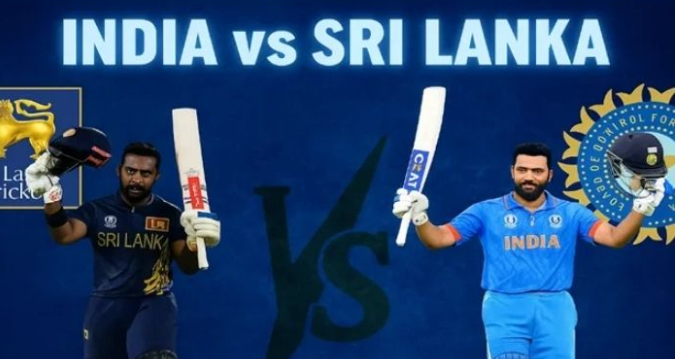
India National Cricket Team vs Sri Lanka National Cricket Team Stats reflects one of the most enduring rivalries in Asian cricket. Over several decades, the two teams have produced memorable encounters across Tests, One Day Internationals, and T20 Internationals. Their contests have featured legendary batters, world-class bowlers, dramatic finishes, and record-breaking performances that captivated millions of fans. From early one-sided meetings to fiercely competitive tournament clashes, this rivalry has evolved with every generation. The statistical record highlights not only victories and defeats but also the remarkable individual achievements and defining moments that have shaped cricket history between these neighboring nations.
Recent Matches Table
| Date | Format | Venue | Winner | Margin | Score Team 1 | Score Team 2 |
| 30 Jul 2024 | T20I | Pallekele | India | Super Over | India 137/9 | Sri Lanka 137/8 |
| 28 Jul 2024 | T20I | Pallekele | India | 7 wickets | Sri Lanka 161/9 | India 81/3 |
| 27 Jul 2024 | T20I | Pallekele | India | 43 runs | India 213/7 | Sri Lanka 170 |
| 07 Aug 2024 | ODI | Colombo | Sri Lanka | 110 runs | Sri Lanka 248/7 | India 138 |
| 04 Aug 2024 | ODI | Colombo | Sri Lanka | 32 runs | Sri Lanka 240/9 | India 208 |
| 02 Aug 2024 | ODI | Colombo | Tied | Match Tied | Sri Lanka 230/8 | India 230 |
| 02 Nov 2023 | ODI | Mumbai | India | 302 runs | India 357/8 | Sri Lanka 55 |
Team Statistics Summary Table
| Format | Played | India Won | Sri Lanka Won | Tied | No Result | Win Ratio |
| Test | 46 | 22 | 7 | 0 | 17 | 3.14 |
| ODI | 171 | 99 | 59 | 2 | 11 | 1.67 |
| T20I | 32 | 22 | 9 | 1 | 0 | 2.44 |
| World Cup | 10 | 5 | 4 | 0 | 1 | 1.25 |
| Asia Cup | 23 | 14 | 9 | 0 | 0 | 1.55 |
| Home Matches | 112 | 76 | 21 | 0 | 15 | 3.61 |
| Away Matches | 116 | 57 | 48 | 2 | 9 | 1.18 |
Individual Batting Records Table
| Player Name | Team | Matches | Runs | Highest Score | Average | Strike Rate |
| Sachin Tendulkar | India | 109 | 4220 | 203 | 47.95 | 78.43 |
| Sanath Jayasuriya | Sri Lanka | 115 | 3823 | 340 | 36.40 | 88.12 |
| Kumar Sangakkara | Sri Lanka | 94 | 3807 | 219 | 45.32 | 76.54 |
| Mahela Jayawardene | Sri Lanka | 103 | 3501 | 275 | 35.72 | 72.10 |
| Virat Kohli | India | 65 | 3217 | 166 | 60.70 | 92.15 |
| Rohit Sharma | India | 69 | 2914 | 264 | 44.83 | 98.67 |
| MS Dhoni | India | 78 | 2731 | 183 | 55.73 | 82.25 |
Individual Bowling Records Table
| Player Name | Team | Matches | Wickets | Best Bowling | Average | Economy |
| Muttiah Muralitharan | Sri Lanka | 84 | 179 | 7 for 30 | 25.10 | 4.12 |
| Ravichandran Ashwin | India | 32 | 84 | 6 for 132 | 26.42 | 3.01 |
| Anil Kumble | India | 44 | 82 | 5 for 87 | 31.25 | 3.32 |
| Harbhajan Singh | India | 51 | 80 | 6 for 102 | 32.11 | 3.45 |
| Chaminda Vaas | Sri Lanka | 61 | 79 | 5 for 14 | 29.54 | 4.41 |
| Lasith Malinga | Sri Lanka | 48 | 62 | 4 for 42 | 34.80 | 5.65 |
| Zaheer Khan | India | 35 | 58 | 5 for 26 | 28.91 | 4.83 |
When Neighbors Became Competitors
Cricket has long connected the two South Asian nations through geography, culture, and sporting exchanges. In the early years, one side carried greater international experience while the other was steadily building its reputation on the global stage. Their meetings quickly became more than routine fixtures because every contest offered an opportunity to measure growth and ambition. Fans on both sides followed these encounters with excitement, knowing that regional pride was often at stake. The rivalry developed naturally through bilateral series, multi-nation tournaments, and memorable performances from emerging stars. Stadiums regularly witnessed passionate support, creating an atmosphere that pushed players to perform under pressure. As international cricket expanded during the 1980s and 1990s, contests between the two teams gained greater importance. Victories were celebrated enthusiastically, while defeats sparked discussions about tactics and selection decisions. What began as a friendly sporting relationship gradually transformed into a respected rivalry built on competitive cricket, mutual admiration, and a shared desire to dominate regional competitions.
| Early Era | Competition Type | Key Feature | Impact |
| 1970s | Bilateral Cricket | Limited Meetings | Foundation Built |
| 1980s | ODI Matches | Growing Competition | Increased Interest |
| 1990s | Major Tournaments | Regional Battles | Rivalry Expanded |
| 2000s | Multi Format Series | Regular Encounters | Strong Fan Following |
| Modern Era | Global Events | High Stakes Matches | Lasting Legacy |
The First Battles That Set the Tone
The earliest meetings played a crucial role in shaping expectations for future contests. One side entered these games with greater experience and stronger results at the international level, while the other viewed every match as a chance to prove its progress. These encounters often featured disciplined bowling, patient batting, and tactical experimentation as teams searched for winning formulas. Although victories were not always evenly distributed, the competitive spirit was evident from the beginning. Players learned valuable lessons about handling pressure, adapting to unfamiliar conditions, and responding to strategic challenges. The first generation of cricketers involved in these clashes established standards that future teams would strive to match. Fans began tracking records, comparing performances, and celebrating standout moments. Over time, these initial contests became important reference points in the broader story of the rivalry. They demonstrated that results alone could not define success because every match contributed to the growing respect and competitiveness that would characterize future encounters.
| Match Period | Format | Dominant Strength | Outcome Trend |
| Early Tests | Test Cricket | Patience | Learning Phase |
| Early ODIs | One Day Cricket | Experience | Competitive Growth |
| Bilateral Tours | Multi Match Series | Adaptation | Improved Balance |
| Neutral Venues | Tournament Games | Tactical Planning | Close Results |
| Development Era | All Formats | Consistency | Stronger Rivalry |
Sri Lanka’s Golden Generation Changes Everything
A significant transformation occurred when a talented group of players emerged and redefined expectations. This generation introduced a fearless style of cricket that challenged traditional strategies and brought new energy to international competition. Aggressive opening partnerships, innovative stroke play, and confident leadership helped the team achieve remarkable success. Their performances forced opponents to rethink tactics and develop new approaches. Several landmark victories demonstrated that they could compete with the strongest teams in the world. Fans embraced this exciting brand of cricket, and the rivalry gained a new dimension as matches became less predictable. Experienced campaigners combined with young talent to create a balanced side capable of succeeding in different conditions. Every contest carried greater anticipation because supporters expected high-quality cricket and dramatic moments. This period marked a turning point, proving that determination, planning, and belief could transform a developing side into a major force on the international stage.
| Era | Key Strength | Tactical Change | Result |
| Early Growth | Team Building | Structured Cricket | Progress |
| Emerging Stars | Aggressive Batting | Positive Intent | More Wins |
| Golden Period | Balanced Squad | Fearless Approach | Global Success |
| Major Events | Tournament Focus | Smart Planning | Consistent Results |
| Legacy Years | Experience | Leadership Quality | Lasting Influence |
The 1996 World Cup and the Rivalry’s Turning Point
The 1996 global tournament represented one of the most important chapters in the rivalry’s history. Expectations were high, and every match carried immense pressure because of the significance of the competition. Strategic innovation became a major factor, with teams adopting aggressive tactics to gain an advantage. Several players produced career-defining performances that influenced the outcome of crucial matches. Fans followed every moment closely, understanding that success on this stage could alter perceptions for years to come. The tournament showcased confidence, resilience, and tactical intelligence. Momentum shifted rapidly during key phases, making each contest unpredictable and emotionally charged. Victories earned admiration from supporters and experts alike, while defeats provided lessons that shaped future campaigns. The events of this tournament elevated the rivalry to a higher level, transforming it from a regional contest into a storyline followed by cricket audiences around the world. Its influence remains visible in discussions about cricket history and tournament success.
| Tournament Stage | Match Importance | Key Factor | Legacy |
| Group Stage | Momentum Building | Confidence | Positive Start |
| Knockout Phase | High Pressure | Tactical Decisions | Defining Moments |
| Key Clashes | Regional Pride | Performance Under Pressure | Increased Attention |
| Historic Wins | Team Belief | Aggressive Cricket | Global Recognition |
| Aftermath | Long Term Impact | Strategic Evolution | Lasting Influence |
Sachin Tendulkar, Sanath Jayasuriya and the Battle for Supremacy
Few rivalries benefited more from superstar players capable of changing games single-handedly. The presence of world-class batters brought excitement to every encounter because fans expected spectacular performances. Their contrasting styles added intrigue, with one known for technical brilliance and consistency while the other thrived on explosive aggression. Whenever these players stepped onto the field, attention shifted immediately toward their contributions. Bowlers faced immense pressure because a single mistake could alter the course of a match. Their runs influenced results, inspired teammates, and entertained millions of supporters. Beyond statistics, they symbolized different cricketing philosophies that made contests even more fascinating. Memorable innings, match-winning partnerships, and remarkable stroke play became defining features of this era. Young cricketers looked up to these stars and studied their methods. Their impact extended beyond individual achievements, helping shape some of the most memorable chapters in the rivalry’s history.
| Player Role | Playing Style | Key Strength | Influence |
| Opener | Aggressive | Fast Starts | Match Momentum |
| Top Order Batter | Technical | Consistency | Stability |
| Middle Order | Adaptable | Run Building | Team Balance |
| Finisher | Composed | Pressure Handling | Victories |
| Senior Star | Leadership | Experience | Inspiration |
Finals, Trophy Clashes and High Stakes Encounters
The rivalry became even more compelling whenever silverware was at stake. Finals and championship matches created unique pressure because a single performance could determine the outcome of an entire tournament. Teams approached these games with detailed plans, knowing that mistakes would be difficult to recover from. The atmosphere inside stadiums was often electric, with passionate supporters creating unforgettable scenes. Captains faced important decisions regarding batting orders, bowling changes, and field placements. Some matches were decided by dominant performances, while others remained uncertain until the final moments. Heroic individual efforts frequently emerged during these contests, turning talented players into national icons. Trophy clashes also provided opportunities for redemption after previous disappointments. Every victory carried emotional significance because it represented months of preparation and sacrifice. These high-pressure encounters strengthened the rivalry by producing moments that remain celebrated by cricket fans across generations.
| Competition | Stakes | Key Element | Outcome |
| Tournament Final | Trophy | Pressure Management | Champion Decided |
| Asia Cup Clash | Regional Prestige | Tactical Execution | Historic Moments |
| Tri Series Final | Momentum | Team Balance | Memorable Result |
| Championship Match | Reputation | Leadership | Lasting Impact |
| Decisive Game | Glory | Individual Brilliance | Fan Celebration |
Muralitharan vs India’s Batting Masters
One of the most fascinating aspects of the rivalry involved the contest between elite spin bowling and accomplished batting lineups. Every meeting presented a tactical challenge because success depended on patience, technique, and decision-making. The spinner’s ability to generate turn, variation, and deception forced batters to remain focused for long periods. At the same time, experienced batters relied on footwork, shot selection, and mental discipline to counter the threat. These battles often determined the outcome of matches, particularly on surfaces that offered assistance to spin bowlers. Cricket enthusiasts eagerly anticipated these contests because they represented the highest level of skill and strategy. Individual duels within the broader team competition added another layer of excitement. Successful performances earned admiration from teammates, opponents, and spectators alike. The repeated clashes between world-class talent created unforgettable memories and demonstrated how cricket can be both a physical and mental contest at the highest level.
| Contest Area | Challenge | Strategy | Result |
| Spin Bowling | Turn and Variation | Patience | Competitive Battle |
| Top Order Batting | Early Survival | Technique | Stability |
| Middle Overs | Control | Rotation of Strike | Momentum |
| Long Innings | Concentration | Discipline | Big Scores |
| Match Situation | Pressure | Smart Decisions | Match Impact |
Conclusion
India National Cricket Team vs Sri Lanka National Cricket Team Stats showcases a rivalry built on respect, competition, and unforgettable cricketing moments. Throughout the years, both teams have contributed to some of the sport’s most iconic matches, producing outstanding performances under immense pressure. Legendary players have left lasting marks through centuries, wickets, and match-winning displays that continue to inspire fans. While the balance of power has shifted across different eras, the competitive spirit has remained constant. As new generations emerge and fresh chapters are written, this rivalry continues to enrich international cricket and remains an important part of the sport’s history.
Faq?
Q1. Which team has won more matches in the India vs Sri Lanka cricket rivalry?
India has won more matches overall across Test, ODI, and T20I formats, maintaining a stronger head-to-head record against Sri Lanka in international cricket.
Q2. What is the most famous match between India and Sri Lanka?
The 2011 ICC Cricket World Cup Final is widely regarded as the most famous match, with India securing the title through a memorable chase.
Q3. Who has scored the most runs in matches between India and Sri Lanka?
Several legendary batters have dominated this rivalry, with Sachin Tendulkar, Kumar Sangakkara, and Mahela Jayawardene among the leading run scorers.
Q4. Which bowler has taken the most wickets in this rivalry?
Muttiah Muralitharan is one of the most successful bowlers in matches between the two teams, thanks to his exceptional performances across formats.
Q5. Why is the India and Sri Lanka cricket rivalry important?
The rivalry is significant because it has produced historic matches, major tournament clashes, legendary individual performances, and memorable moments that have shaped Asian cricket.
