Table of Contents
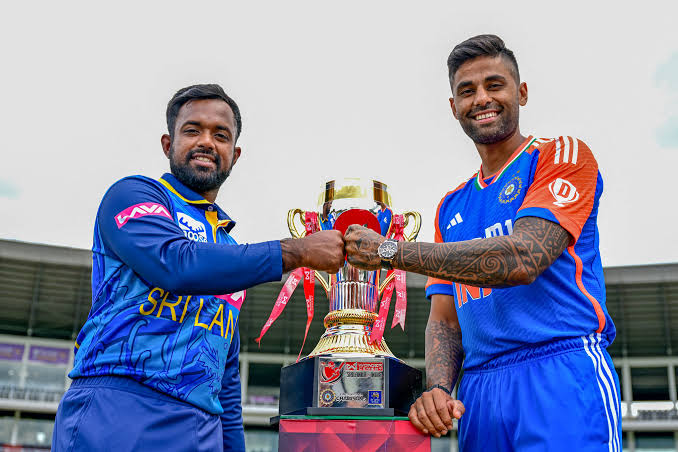
The India National Cricket Team Vs Sri Lanka National Cricket Team Matches rivalry is one of the most familiar contests in international cricket. Both teams have produced memorable performances across Test matches, One Day Internationals (ODIs), and Twenty20 Internationals (T20Is). From major tournament finals to closely contested bilateral series, India and Sri Lanka have created many unforgettable cricketing moments.
India has traditionally enjoyed considerable success in this rivalry, supported by its strong batting lineups, experienced bowlers, and depth of talent. Sri Lanka, however, has repeatedly demonstrated its ability to challenge India through disciplined bowling, technically skilled batters, and effective spin attacks.
Overview of India vs Sri Lanka Matches
India and Sri Lanka have competed against each other in all three major international formats. Their encounters have taken place during bilateral tours, Asia Cups, ICC tournaments, and other international competitions.
| Match detail | Information |
|---|---|
| Teams | India and Sri Lanka |
| Governing body | International Cricket Council |
| International formats | Tests, ODIs, and T20Is |
| Major competitions | Asia Cup, ICC Cricket World Cup, ICC T20 World Cup |
| Popular match venues | Colombo, Kandy, Mumbai, Chennai, Delhi, and other international grounds |
| Key factors | Batting depth, spin bowling, pace bowling, and match conditions |
The rivalry has evolved over several decades. India’s growing strength in international cricket and Sri Lanka’s emergence as a competitive cricketing nation helped establish a regular and entertaining contest.
History of India vs Sri Lanka Cricket Matches
India and Sri Lanka began developing a regular international cricket rivalry as Sri Lanka established itself in international cricket. Their encounters became increasingly significant as Sri Lanka gained experience and developed players capable of competing with established cricketing nations.
India’s cricketing history includes several generations of exceptional batters and bowlers. Sri Lanka has also produced outstanding players whose performances helped the team compete consistently at the highest level.
The rivalry became particularly prominent during the 1990s, when Sri Lanka developed into a major force in limited-overs cricket. Both teams subsequently played important matches in continental competitions and global tournaments.
Over time, India and Sri Lanka have faced each other in different conditions, including the turning pitches of the subcontinent and international venues where pace and batting technique have played a greater role.
India vs Sri Lanka Test Matches
Test cricket provides a different dimension to the rivalry because it rewards patience, technique, endurance, and tactical planning. India has traditionally been strong at home, where its batters are familiar with local conditions and its spinners can influence the course of a match.
Sri Lanka has also demonstrated its ability to compete in Test cricket, particularly when its batters have built substantial innings and its bowlers have maintained pressure over extended periods.
Batting Performances in Test Cricket
Successful Test batting requires players to adapt to changing pitch conditions and remain focused over long periods. Indian batters have frequently relied on strong defensive techniques, while Sri Lankan players have produced notable performances through careful shot selection and partnerships.
Long innings are especially important in this format because they allow teams to establish a first-innings advantage and put pressure on the opposition.
Bowling Strategies in Test Matches
Spin bowling is an important element of many India-Sri Lanka Test encounters. Bowlers who can vary their pace, flight, and length often create difficulties for batters as the pitch wears.
Fast bowlers also contribute by exploiting early movement, using short-pitched deliveries strategically, and maintaining accurate lines. A successful bowling attack usually combines different styles to challenge the opposition throughout the match.
India vs Sri Lanka ODI Matches
One Day International cricket has played a central role in the India-Sri Lanka rivalry. The format allows teams to balance aggressive batting with calculated run accumulation and tactical bowling changes.
India and Sri Lanka have met repeatedly in bilateral ODI series, Asia Cups, and ICC Cricket World Cups. These matches have featured substantial team totals, important partnerships, and dramatic changes in momentum.
Batting in ODI Cricket
In ODIs, the opening partnership often determines the foundation of an innings. A strong start gives the middle order the freedom to accelerate, while early wickets can force a team to rebuild.
India has frequently relied on technically accomplished top-order batters and powerful middle-order hitters. Sri Lanka has also produced dangerous limited-overs batters capable of scoring quickly and changing a match within a few overs.
The ability to preserve wickets during the middle overs and accelerate toward the end is often decisive.
Bowling and Fielding in ODIs
Bowling strategies in ODI cricket depend on the match situation, pitch conditions, and the strengths of the opposing batters. Teams may use swing bowling early, spin during the middle overs, and specialist death bowlers at the end.
Fielding is equally important. Direct hits, boundary saves, and well-judged catches can influence close contests. Against a strong batting lineup, even small improvements in fielding can make a significant difference.
India vs Sri Lanka T20 International Matches
T20 Internationals have added another exciting dimension to this rivalry. With each team limited to 20 overs, players must make quick decisions and execute their plans under intense pressure.
India has generally benefited from its depth of power hitters and variety in bowling. Sri Lanka has remained competitive through its aggressive batters, spin options, and ability to exploit difficult match situations.
Importance of Powerplay Overs
The powerplay provides teams with an opportunity to score quickly while taking advantage of fielding restrictions. Openers who find gaps and rotate the strike can create a strong platform for the middle order.
However, aggressive batting can also lead to early wickets. Teams must therefore balance attacking intent with the need to preserve enough batting resources for the final overs.
Death-Over Performance
The final overs are often decisive in T20 cricket. Batters aim to clear the boundary, while bowlers use yorkers, slower deliveries, and changes of pace to restrict scoring.
Teams that remain composed during these overs often gain an advantage in close matches. Accurate execution is particularly important when the result depends on only a few runs or deliveries.
India vs Sri Lanka in ICC Tournaments
ICC tournaments have provided some of the most significant encounters between India and Sri Lanka. The teams have competed in Cricket World Cups and T20 World Cups, where the pressure of elimination matches can make every decision crucial.
Their World Cup encounters have attracted considerable attention because both teams have historically possessed players capable of delivering outstanding performances on major occasions.
Tournament cricket also requires teams to adapt quickly to unfamiliar venues, different opposition strategies, and changing weather conditions. Preparation, team selection, and the ability to perform under pressure are important factors in these matches.
India vs Sri Lanka in the Asia Cup
The Asia Cup is another major stage for this rivalry. Since both teams are regular participants in Asian cricket competitions, their encounters often have implications for tournament standings and qualification for the final.
India and Sri Lanka have both enjoyed success in the competition. Their matches have featured different playing styles, with batting depth, spin bowling, and tactical flexibility often shaping the result.
Asia Cup encounters can be particularly competitive because the teams are familiar with each other’s strengths and weaknesses. Captains must therefore make careful decisions about bowling changes, batting order, and field placements.
Memorable Moments in India vs Sri Lanka Matches
The rivalry has produced many memorable moments across formats. These include major tournament victories, individual centuries, outstanding bowling spells, and closely contested finishes.
Some matches have been decided by a dominant batting performance, while others have turned on a short spell of exceptional bowling. Strong partnerships have helped teams recover from difficult situations, and lower-order contributions have sometimes proved essential.
The rivalry also reflects the development of international cricket in South Asia. Players from both nations have influenced the sport through their performances, professionalism, and contributions to major competitions.
Key Factors That Influence Match Results
Several factors can determine the outcome of an India-Sri Lanka match.
- Pitch conditions: Dry surfaces may assist spin bowlers, while fresh pitches can offer movement to fast bowlers.
- Batting partnerships: Consistent partnerships help teams recover from early setbacks and build competitive totals.
- Bowling discipline: Maintaining accurate lines and lengths can restrict scoring opportunities.
- Fielding quality: Catches, run-outs, and boundary saves can change the momentum of a match.
- Toss and conditions: The decision to bat or bowl first depends on the pitch, weather, and format.
- Pressure management: Teams that make better decisions during crucial overs often perform more consistently.
No single factor guarantees victory. Successful teams usually combine tactical awareness, individual skill, and effective teamwork.
Comparison of India and Sri Lanka Across Formats
| Format | Main tactical priorities | Important skills |
|---|---|---|
| Test cricket | Building innings and sustaining pressure | Patience, technique, endurance |
| ODI cricket | Balancing accumulation and acceleration | Partnerships, strike rotation, death bowling |
| T20I cricket | Maximizing scoring opportunities | Power hitting, variations, quick decisions |
| ICC tournaments | Performing in high-pressure matches | Adaptability, preparation, composure |
| Asia Cup | Managing familiar regional opposition | Spin play, tactical flexibility, teamwork |
Each format requires a different approach, which makes the overall rivalry varied and challenging.
How to Follow India vs Sri Lanka Match Results
Fans following India and Sri Lanka should consider the format, venue, date, and competition when checking match results. Official scorecards generally provide the most useful details, including innings totals, individual scores, bowling figures, partnerships, and the final result.
A complete match scorecard can also explain how the game developed. For example, a team may win despite losing early wickets because of a strong middle-order partnership, or a low total may prove sufficient when bowlers perform exceptionally well.
When comparing historical results, it is important to separate Test, ODI, and T20I records. Statistics from different formats measure different aspects of performance and should not be combined without clear definitions.
Frequently Asked Questions
Which teams are involved in the India vs Sri Lanka cricket rivalry?
The rivalry involves the India National Cricket Team and the Sri Lanka National Cricket Team. They compete in Test matches, One Day Internationals, and Twenty20 Internationals, as well as international tournaments.
Which formats do India and Sri Lanka play against each other?
India and Sri Lanka play all three major international formats: Tests, ODIs, and T20Is. Their encounters take place in bilateral series and competitions such as the Asia Cup and ICC tournaments.
Why are India vs Sri Lanka matches popular?
These matches are popular because both nations have established cricketing traditions and passionate supporters. Their encounters often feature talented batters, skilled spin bowlers, competitive partnerships, and important tournament implications.
Where are India vs Sri Lanka matches played?
Matches are held at international cricket grounds in India, Sri Lanka, and neutral venues when required by a tournament. The venue can influence playing conditions, particularly the effectiveness of spin and pace bowling.
How can fans compare India vs Sri Lanka head-to-head records?
Fans can compare the teams by examining their Test, ODI, and T20I results separately. Match wins, losses, draws, ties, tournament performances, and individual statistics help provide a clearer picture of the rivalry.
Conclusion
The India National Cricket Team vs Sri Lanka National Cricket Team rivalry remains an important part of international cricket. Their encounters across Test matches, ODIs, T20Is, the Asia Cup, and ICC tournaments have showcased contrasting playing styles and memorable performances.
India’s batting depth and extensive cricketing experience have made it a formidable opponent, while Sri Lanka has consistently demonstrated the ability to compete through skilled batting, spin bowling, and tactical discipline.
The history of these matches reflects the evolution of cricket in South Asia. As new players emerge and teams adapt their strategies, future encounters will continue to add new chapters to this long-running rivalry.
